
Trekking in Nepal for Beginners: A Friendly Guide to Your First Himalayan Adventure
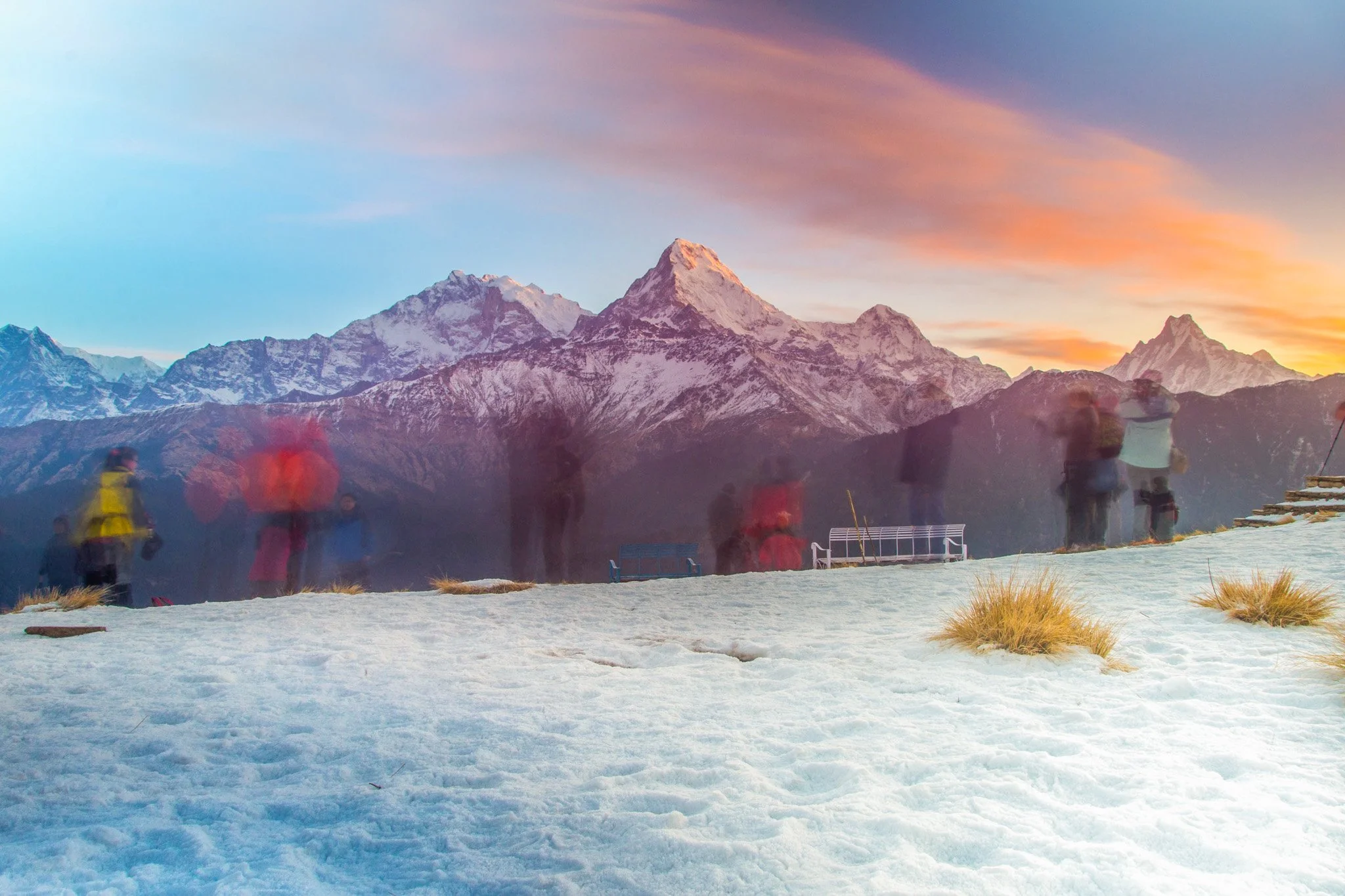
Golden light washes over Annapurna I, Machhapuchhre, Hiuchuli, Mardi Himal and Annapurna South. An amazing Poonhill morning where the whole range feels close enough to touch.
If you’re dreaming about trekking in Nepal for the first time, you’re not alone. Every season we meet people from all walks of life who arrive with the same mix of excitement, curiosity, and quiet fear. They’ve heard stories of high mountains, simple tea houses, and trails that change you from the inside out, but they’re not sure if they can do it.
Here’s the truth:
You don’t need to be young, super fit, or experienced to trek in Nepal.
You just need the right information, the right pacing, and a guide who genuinely understands beginners.
This blog is designed to help you feel ready, confident, and supported before you even step on the trail.
Who Are Nepal’s First-Time Trekkers?
Beginners come from all ages and backgrounds:
25–45:
This is the biggest group. Busy professionals who want a break from work and a challenge that feels meaningful.
45–60:
Many finally ticking off a long-held dream. They train a bit, listen well, and usually do brilliantly.
60+:
You’d be surprised how many start here. With good pacing and the right trek (like Mardi Himal, Langtang, or Poon Hill), they do just fine.
Age matters far less than preparation and mindset.
Most beginners aren’t athletes. They might walk regularly, go to the gym a few times a week, or have a desk job and worry they’re “not fit enough.”
But trekking in Nepal isn’t about speed, it’s about consistency. Five steady hours of walking a day is realistic for most people.
Many first-timers arrive with excitement mixed with self-doubt:
“Can I really do this?”
Once they settle into the rhythm of walk-rest-breathe, that fear fades quickly.
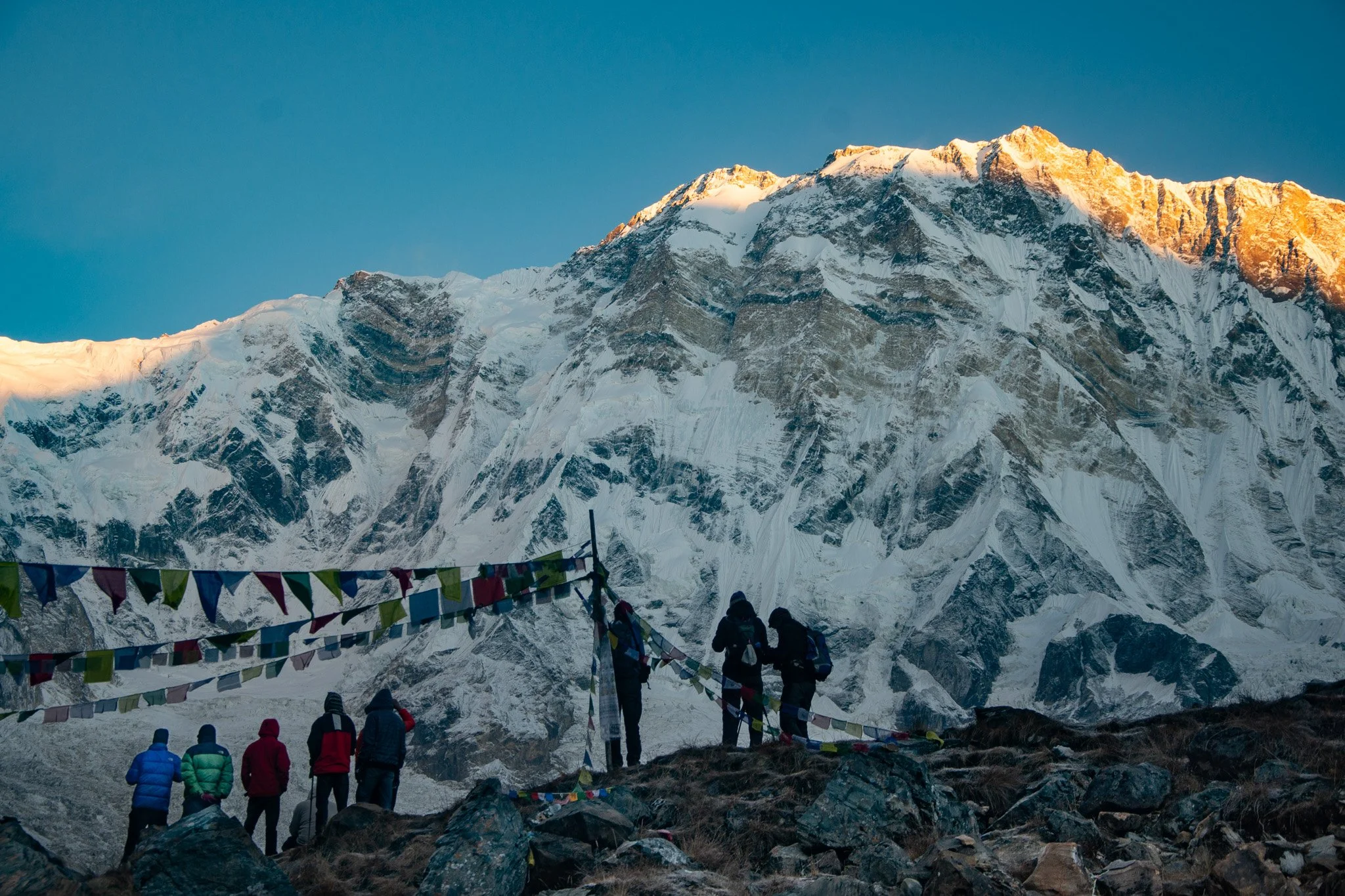
Annapurna Base Camp
The Most Common Beginner Worries
Ask any first-timer, and you’ll hear the same concerns:
Altitude — their biggest fear
Fitness — “Will I slow the group down?”
Cold weather
Toilets and food
Safety
Overpacking or packing the wrong things
Every beginner has these questions, and every one of them is normal.
A Beginner Story I’ll Never Forget
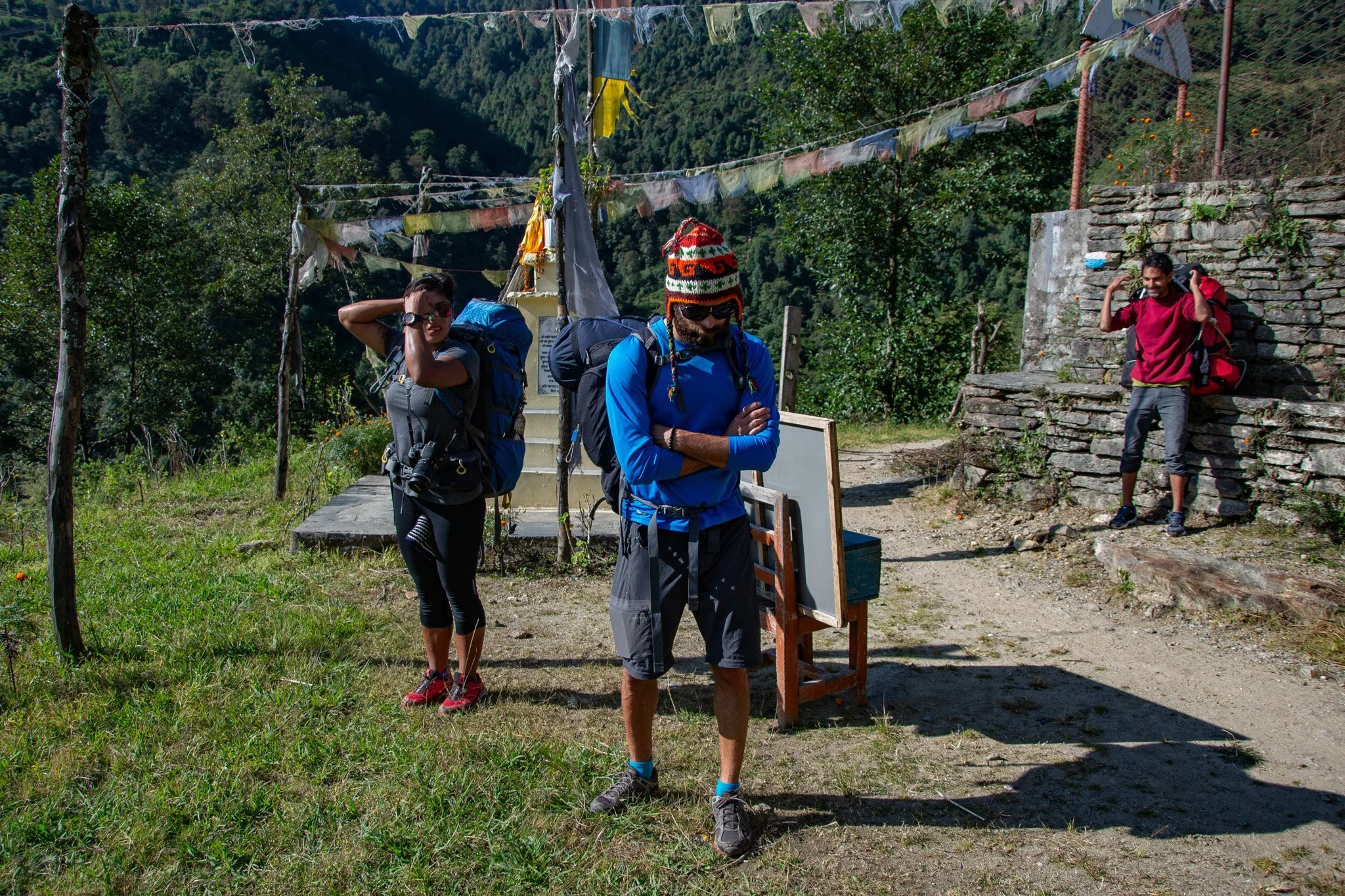
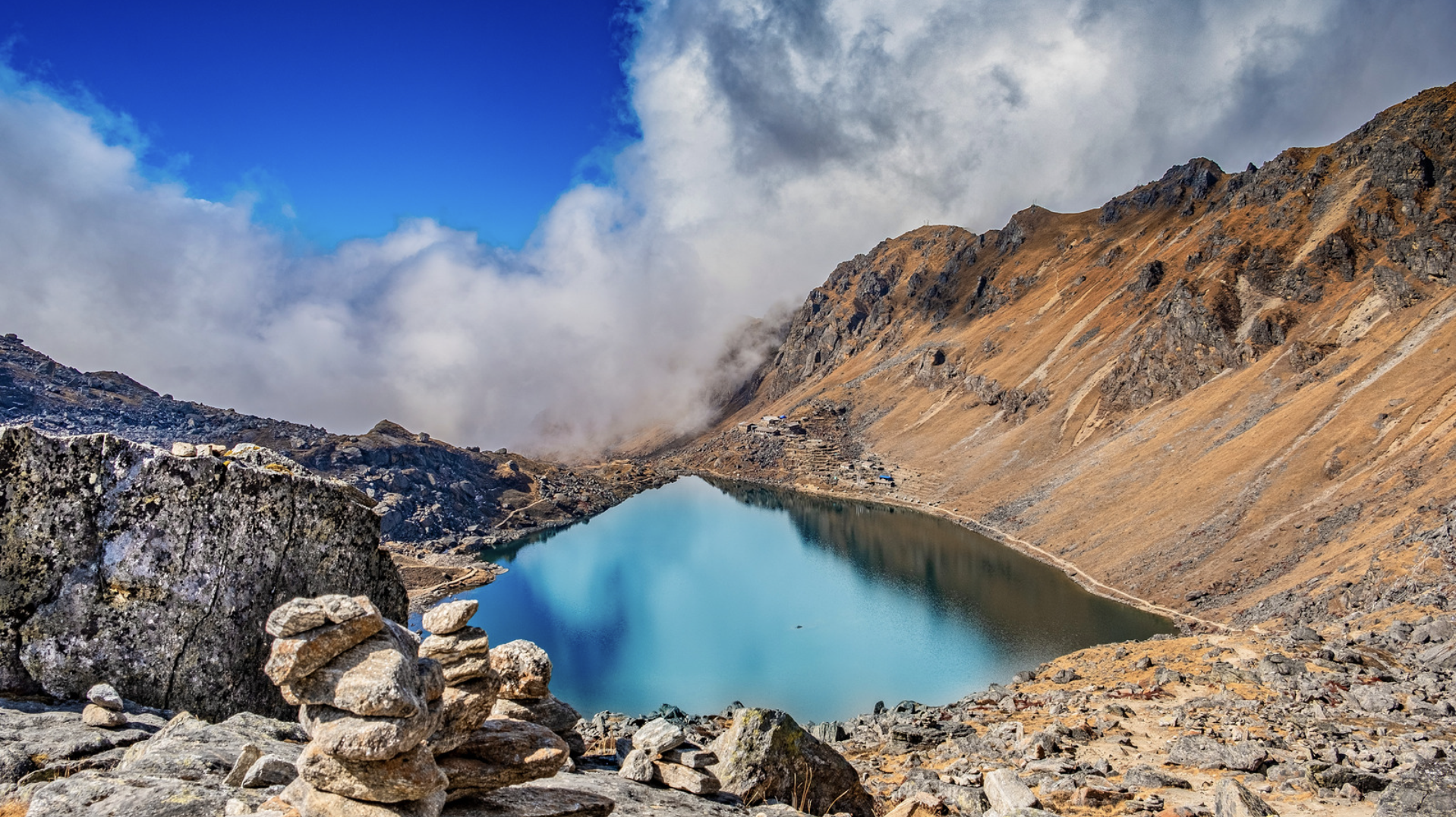
On the way to Gosainkunda, I guided a couple and a lady in the couple, who started feeling the altitude at around 4,000 metres. She became tired, nauseous, and unsure if she should continue. Her confidence dropped fast.
Instead of pushing, I gave her an extra acclimatisation day.
We stayed two nights, focused on rest, hydration, and small meals. Between breakfast and lunch, I walked with the group a little higher and brought them back down — a simple but powerful method to help the body adapt.
We added one Diamox.
The next morning she woke up feeling almost normal. Strong. Ready.
After the trek she told me she thought her holiday was over that day. She was shocked at how much difference a calm plan, a bit of knowledge about altitude, and a supportive approach made.
This is why beginners succeed: not because they never struggle, but because they’re guided well through the moments that matter.
Which Trek Is Best for Beginners?
For first-timers, these three routes offer incredible scenery without overwhelming altitude or technical sections:
1. Mardi Himal

Mardi Himal High Camp. Learn more about Mardi Himal Trek
A short, beautiful trek with great acclimatisation and close-up views of Machhapuchhre. Good tea houses, gentle pacing, ideal for beginners.
2. Annapurna Base Camp (ABC)

Annapurna Base Camp Learn more about Annapurna Base Camp Trek
A classic. Forest trails, Gurung culture, well-spaced lodges, and a gradual climb that suits all fitness levels.
3. Langtang Valley
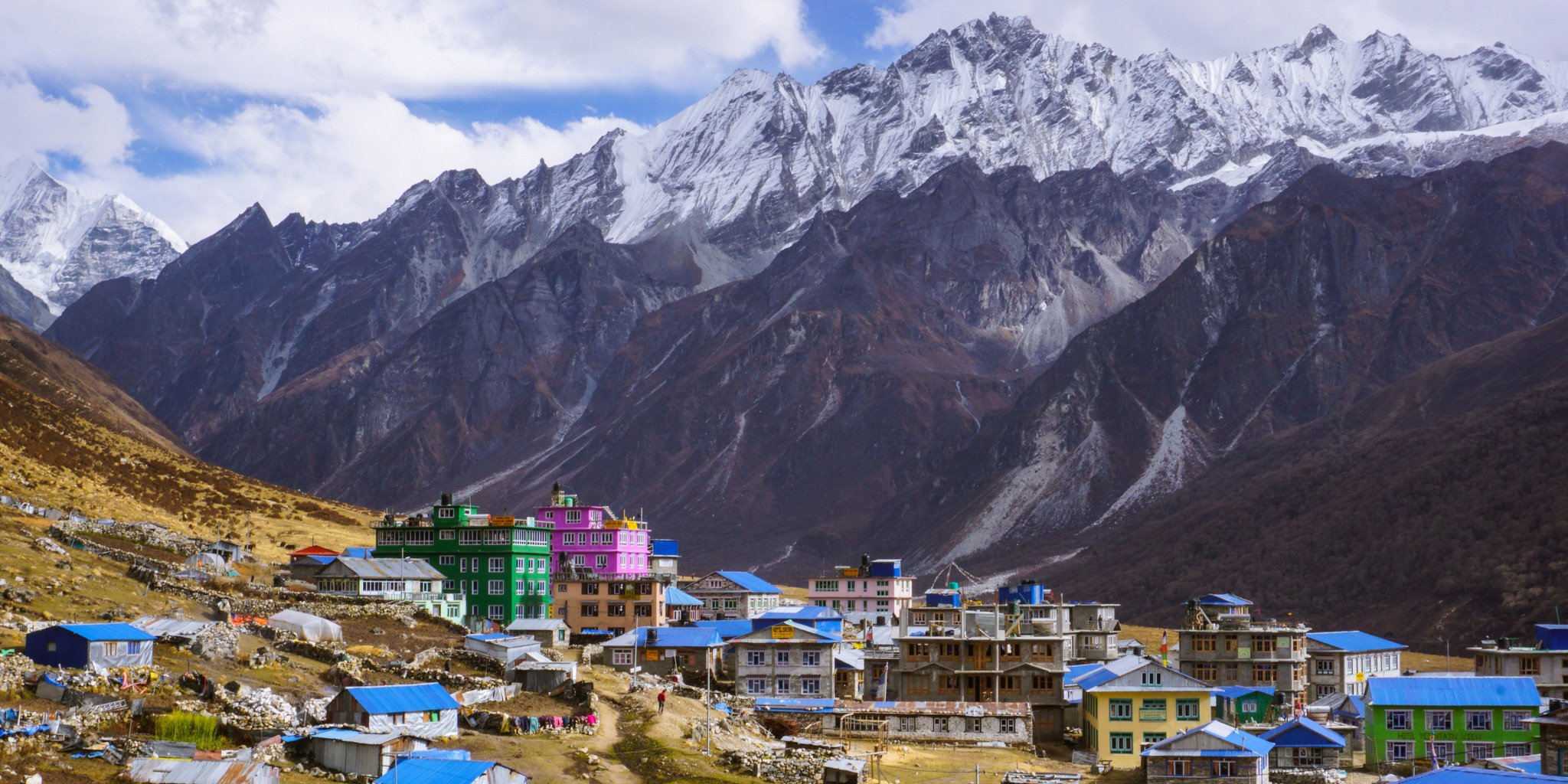
Kyanjing Gompa, Langtang Valley. Learn more about Langtang Trek
A quieter trail with a mix of culture, alpine views, and friendly villages. Not too remote and excellent for learning your trekking rhythm.
All three have high success rates for beginners and give a true Himalayan experience without pressure.
Common Mistakes Beginners Make Before They Arrive
A few simple choices can make or break your first trek:
1. Not training at all
Even light training — stairs, weekend hikes, or some gym work — makes the trek much more enjoyable.
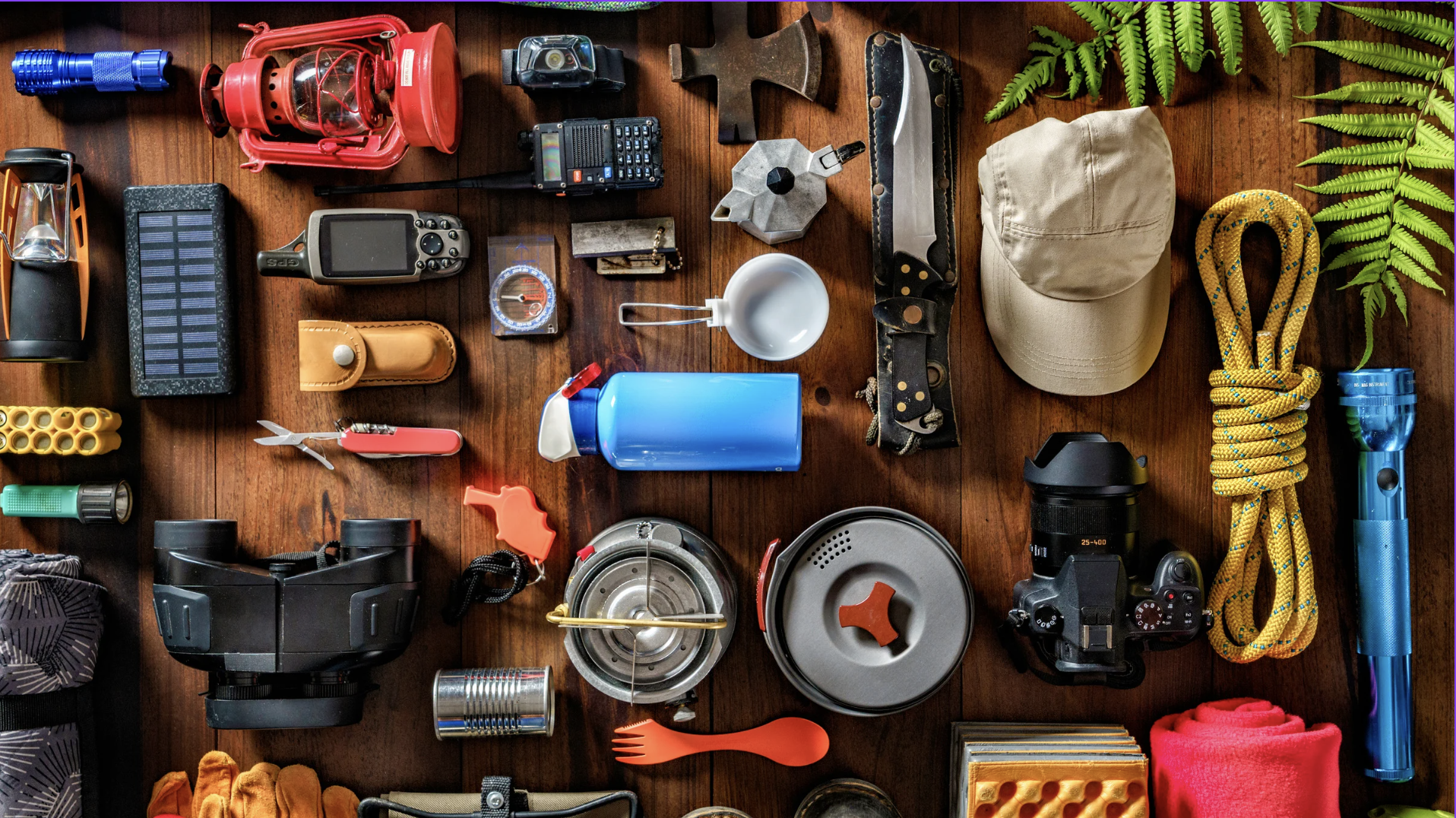
2. Packing for travel, not trekking
Too many cotton outfits, not enough proper layers, or brand-new boots that haven’t been broken in.
3. Expecting luxury from Instagram
Tea houses are warm, friendly, and simple. That’s part of the charm.
4. Rushed itineraries
You need acclimatisation days. They’re not optional.
5. Not checking insurance altitude limits
Many policies don’t cover high altitude or helicopter rescue.
6. Landing the night before the trek
Jet lag and lost luggage can ruin your start.
These are all easy to fix — especially with proper guidance.
How We Support Beginners on the Trail
A beginner’s confidence rises and falls quickly. My job is to keep them steady.
Here’s how I guide first-timers:
Set a “conversation pace”
If you can talk while walking, you’re going the right speed.
Teach breathing rhythms
Deep, slow breaths calm the mind and help with altitude.
Break the day into small wins
One ridge at a time. One tea stop at a time.
Make adjustments quietly
If someone struggles, I adapt the pace without drawing attention.
Watch hydration and snacks
Small sips and steady calories do wonders.
Keep the atmosphere positive
Calm guide = calm guests.
Use experience to reassure
People love hearing stories of others who struggled but succeeded.

What Beginners Need to Know About Altitude
Altitude has nothing to do with fitness.
It’s simply physiology.
Even ultra-athletes can get altitude sickness, and first-timers often handle it well when they go slow, stay hydrated, and follow a proper itinerary.
The keys are:
Walk slowly
Drink regularly
Eat even when you’re not hungry
Tell your guide every symptom
Trust acclimatisation days — they’re essential
A good guide notices issues long before you do.
That’s why experience matters so much in the Himalaya.
How Lost in the Himalaya Supports First-Timers Differently
Beginners choose us because we focus on care, not crowding.
Small groups
You’re never just a number.
Guides who walk with you
Not 200 metres ahead.
Yoga, stretching, and breathwork
Helps your body recover and your mind stay calm.
Flexible pacing
We adjust to you, not the other way around.
Real cultural connection
We stay with local families and long-trusted partners.
Pre-trip support
Packing help, training tips, itinerary planning, insurance guidance — from the moment you book.
This is why so many first-time trekkers finish stronger than they expected.
Gear Tips You Won’t Find in Most Articles
Here are the small things that make a big difference:
Lightweight camp shoes you actually like wearing
Two pairs of gloves — liners + warm outer
Ziplocks and dry bags for easy organisation
A collapsible soft bottle inside your jacket to keep water warm
A comfort kit (lip balm, blister patches, nasal moisturiser, electrolytes)
Fewer layers, better layers
Headlamp + spare batteries
These reduce discomfort, keep you warm, and make everyday trail life smoother.
My Guiding Philosophy for Beginners
I guide with patience, calmness, and presence.
My aim is to help you feel safe, grounded, and connected — not rushed or judged.
Trekking in Nepal isn’t about being the fastest.
It’s about discovering a quieter, stronger version of yourself.
I want you to experience the mountains with respect for your body, the culture, and the trail. If you return home feeling braver, clearer, and proud of what you achieved, then the journey has done its work.
And on day one, I always say:
“Today we walk slowly. Slower than you think. The mountain rewards patience.”
Ready for Your First Trek in Nepal?
If you’re a beginner and Nepal is calling you, we can help you plan everything — from the right trek to packing, pacing, training, and support along the way.
Visit: www.lostinthehimalaya.com
Or message us directly to start shaping your first Himalayan adventure.
Your journey starts with one slow, steady step.
And we’ll be right there with you.
