
How to Use Hiking Poles in the Himalayas (Tips, Gear and Best Picks)
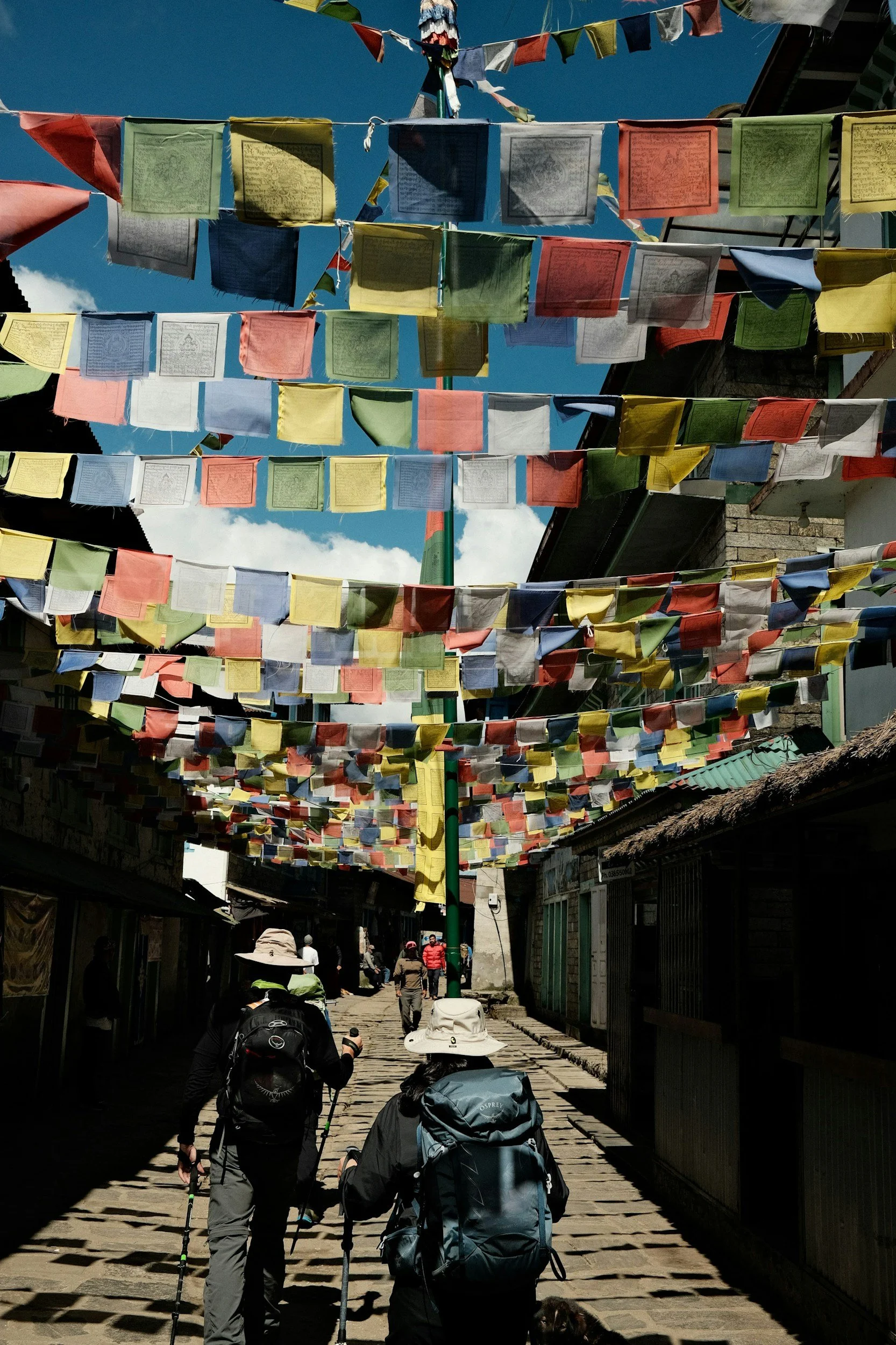
Whether you’re heading to Everest region, exploring the Manaslu region’s trails, or tackling any remote ridges in Nepal, trekking poles can make a big difference in comfort, balance and safety on rough mountain terrain. In this guide we’ll cover how to use them properly, answer common questions like What is the best hiking pole to travel with in Himalaya? and Do you need hiking poles for Everest Base Camp?, plus offer a shortlist of top picks for 2026 gear planning.
Why Use Hiking Poles on Himalayan Treks
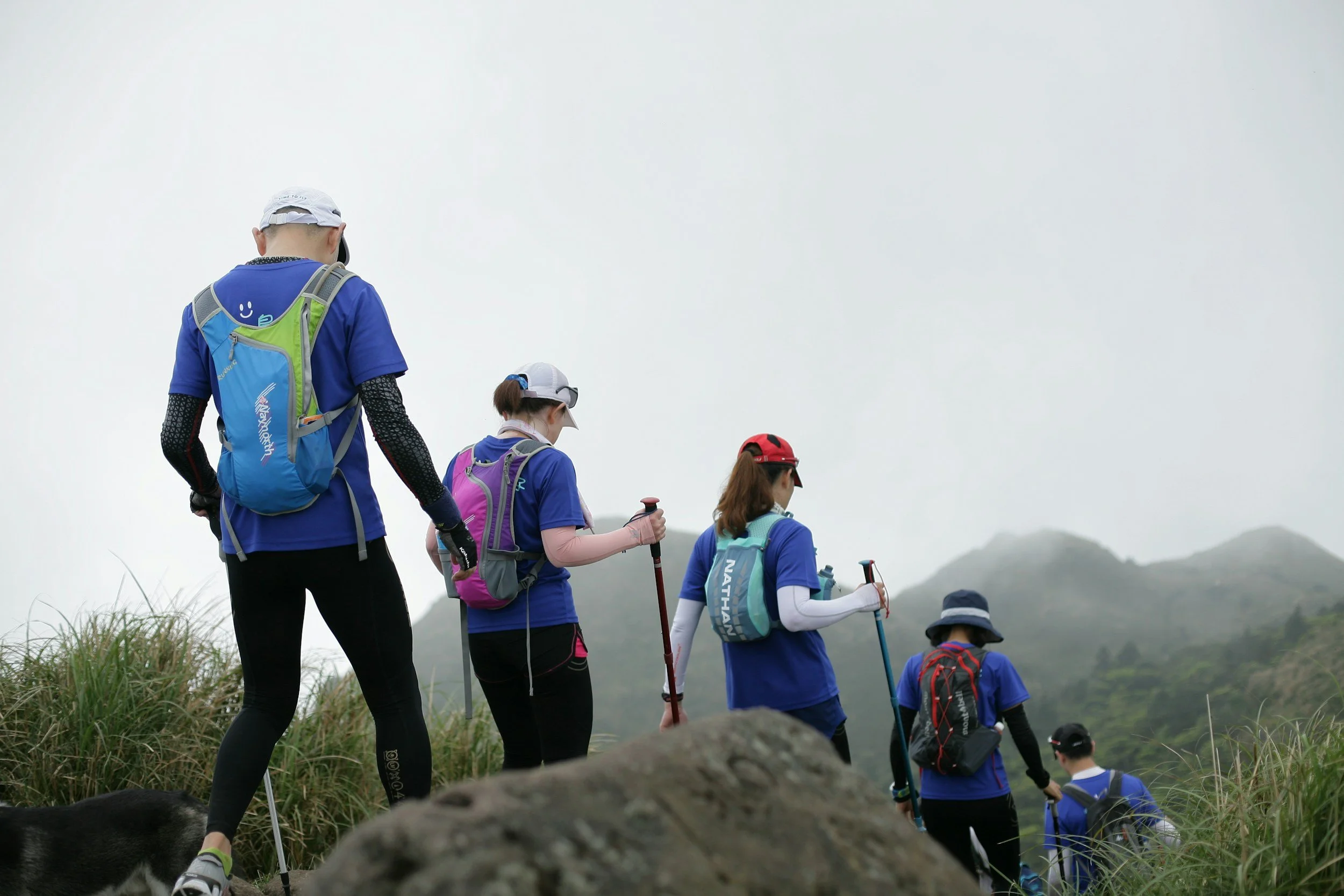
Trekking poles (also called hiking poles or walking poles) help redistribute weight from knees and ankles to your upper body, boost balance on uneven ground, and reduce fatigue on long days. They’re especially useful:
On steep climbs and descents, where extra stability matters
On loose or rocky trails common on the Everest and Manaslu routes
When carrying a heavy pack on long days
To protect knees on downhill sections
They’re not essential for absolutely every trek, but on high-altitude, multi-day trails like Gokyo Everest Base Camp or Manaslu Circuit, most trekkers find them helpful.
How to Use Trekking Poles in the Mountains
Here’s a simple technique that works well on challenging Himalayan terrain:
Adjust Length First
Set each pole so your elbow forms about a 90° angle when holding the grip. On uphill sections, shorten them slightly; on descents, lengthen them for greater support.Use the Wrist Straps Right
Slide your hands through the strap from the bottom and grip the pole lightly. The strap then lets you push against the pole without gripping too hard.Plant Pole Opposite Your Leading Foot
Move the pole opposite the foot that’s forward – this creates a natural rhythm and keeps you balanced.Sync with Terrain
On steep climbs, use the lower grip section and lean forward slightly to propel yourself upward. On rough or slippery descents, plant the pole in front to absorb shock and guard your knees.Balance Both Poles Together
Using both poles evenly prevents one side of your body from overcompensating, keeps your gait smooth, and spreads effort across your muscles.
Do You Need Hiking Poles for Everest Base Camp or in Himalaya?
It’s not mandatory, but most trekkers to Nepal choose to use poles for better balance on rocky sections and less strain on knees, especially on long downhill stretches. Experienced hikers may go without, but many find poles reduce fatigue on the multi-day journey.
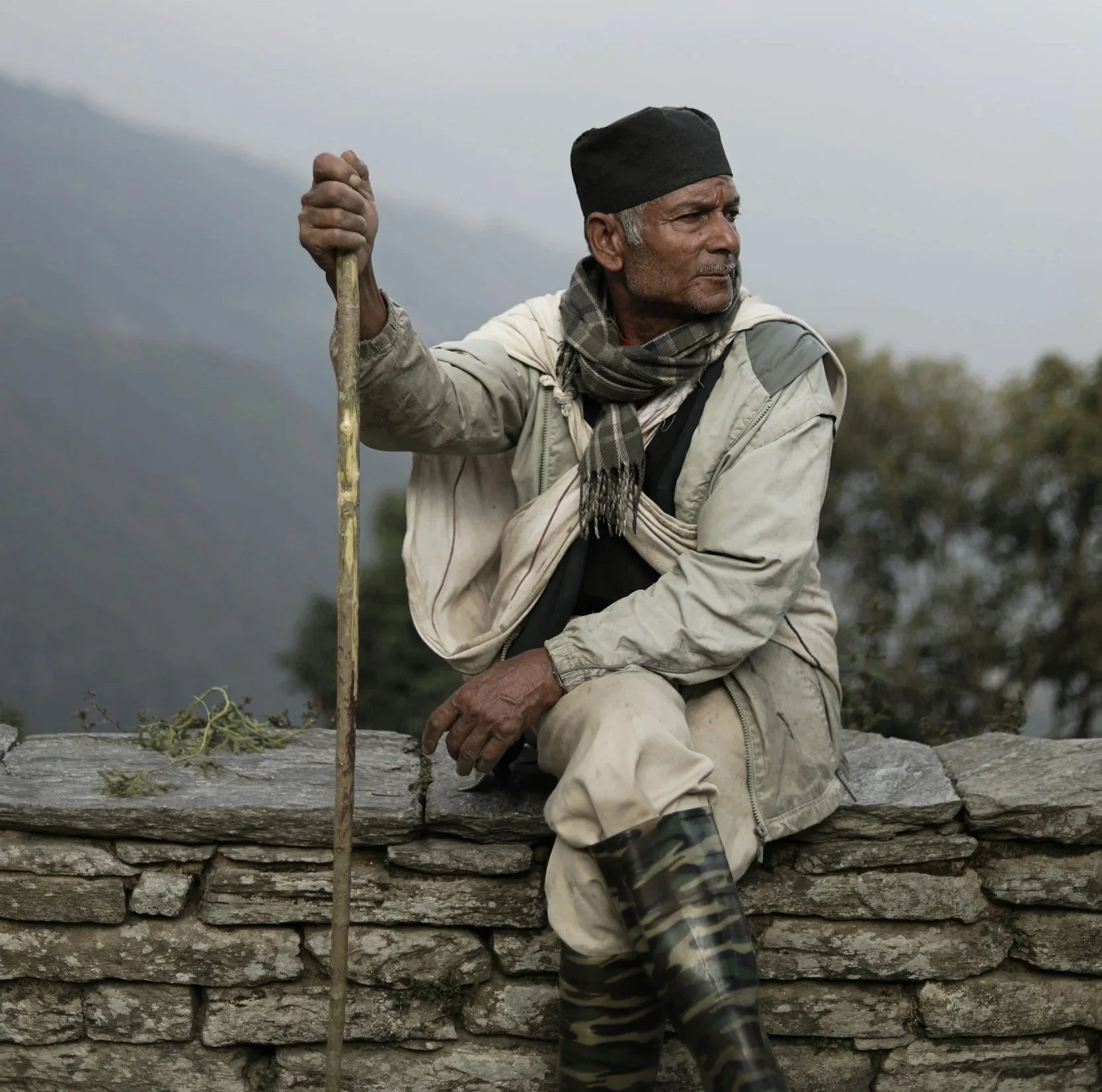
A local using a traditional wooden stick as he walks into the forest with his cattle. Price: $0
How to Choose Hiking Poles
Here’s what to look for:
Weight and Packability
Lightweight, folding poles are best for long trekking days and easy packing.Material
Aluminium is durable and slightly heavier; carbon fibre is lighter but can be pricier.Grip Comfort
EVA or cork grips are more comfortable than hard plastic on long hikes.Adjustability
Adjustable poles let you fine-tune length for uphill / downhill sections.Locking Mechanism
Twist or lever locks should hold securely on tough terrain.
If you’re putting together a full Himalayan gear list, don’t forget to review our Packing List for Nepal Treks for essentials beyond trekking poles.
Top 10 Hiking Poles for Himalaya Treks (2026)
Here’s a quick comparison of some of the best trekking poles you can consider for Himalayan trips, from lightweight travel options to rugged all-terrain choices:
| Hiking pole model | Best for | Quick notes | Current market price (AUD) |
|---|---|---|---|
| Forclaz MT900 Ultra-Compact (Decathlon AU) | Budget travel / packable spare | Ultra-compact single pole style, ideal when you want minimal bulk. | $59.00 |
| Macpac A3 Trekking Poles Set | Affordable general trekking | Mid-range choice from a well-known AU/NZ outdoor brand. | $79.99 |
| Cascade Mountain Tech Trekking Poles | Budget-friendly option | Popular value pick for those wanting a simple, capable pole. | $106.54 |
| Montem Ultra Strong | Value + sturdiness | Solid value option, popular with first-time Himalayan trekkers. | $119.70 |
| Leki Super Micro | Short-pack compact carry | Designed to stow easily in luggage or a daypack. | $144.33 |
| Black Diamond Trail | All-round Himalayan trekking | Durable classic trekking pole suited to long, mixed-terrain days. | $164.90 |
| Komperdell C3 Carbon Pro | Lightweight feel | Carbon-focused option for trekkers who prioritise lighter carry. | $179.97 |
| MSR DynaLock Explore | Reliable locks + rough terrain | Strong locking system suited to rocky and uneven trails. | $208.45 |
| Leki Makalu Lite | Premium comfort for long treks | High build quality and comfort for multi-day Himalayan routes. | $269.99 |
| Black Diamond Distance FLZ | Travel + fast transitions | Folding design that packs down small and deploys quickly on trail. | $279.99 |
Using hiking poles well can make your Himalayan trek easier and more enjoyable. Pair good technique with the right gear, and you’ll be better prepared for the long days on trail.
If you’re planning a trek and want to get your gear right from day one, explore our detailed itineraries for the Everest, Manaslu, Annapurna or Langtang regions. Each route includes practical planning notes to help you prepare with confidence.
Good preparation goes beyond gear. Choosing the right trek and the right season matters just as much. If you’re unsure where to start, read Which trek in Nepal is best, and for timing, When’s the best time to travel to Nepal will help you plan your Himalayan journey.
Any question? Feel free to reach out to us.
