
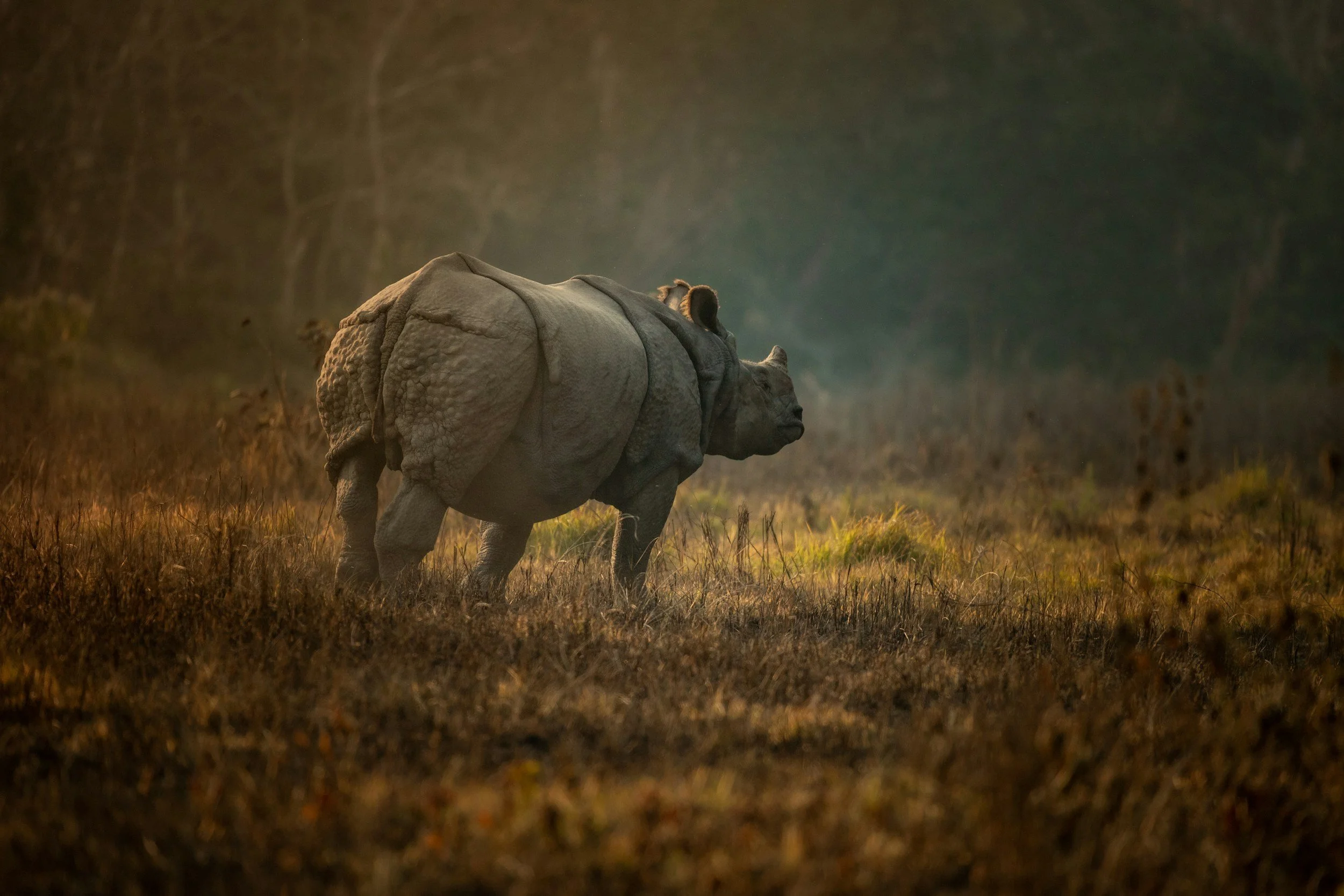
When people think of Nepal, they often picture snow-covered peaks and high mountain trails. But head south to Chitwan National Park, and the landscape changes completely. This is Nepal’s wild lowland heart, where dense jungles, wide rivers, and open grasslands create one of the most diverse ecosystems in South Asia.
Located in the subtropical Terai region, Chitwan offers a slower, earthier kind of adventure. Instead of altitude, it’s about wildlife encounters, quiet river moments, and time spent deep in nature.
A National Park Like No Other
Chitwan National Park is a UNESCO World Heritage Site and one of Asia’s best-protected wildlife reserves. Once a royal hunting ground, it is now a conservation success story and home to some of Nepal’s most iconic animals.
The park’s mix of sal forests, riverine jungle, wetlands, and grasslands supports an extraordinary range of species. Every turn of the trail or bend in the river feels full of possibility.
Wildlife You Might Encounter
Chitwan is famous for wildlife sightings that feel genuinely wild, not staged or predictable.
Some of the highlights include:
One-horned rhinoceros, often seen grazing near riverbanks or moving slowly through tall grass
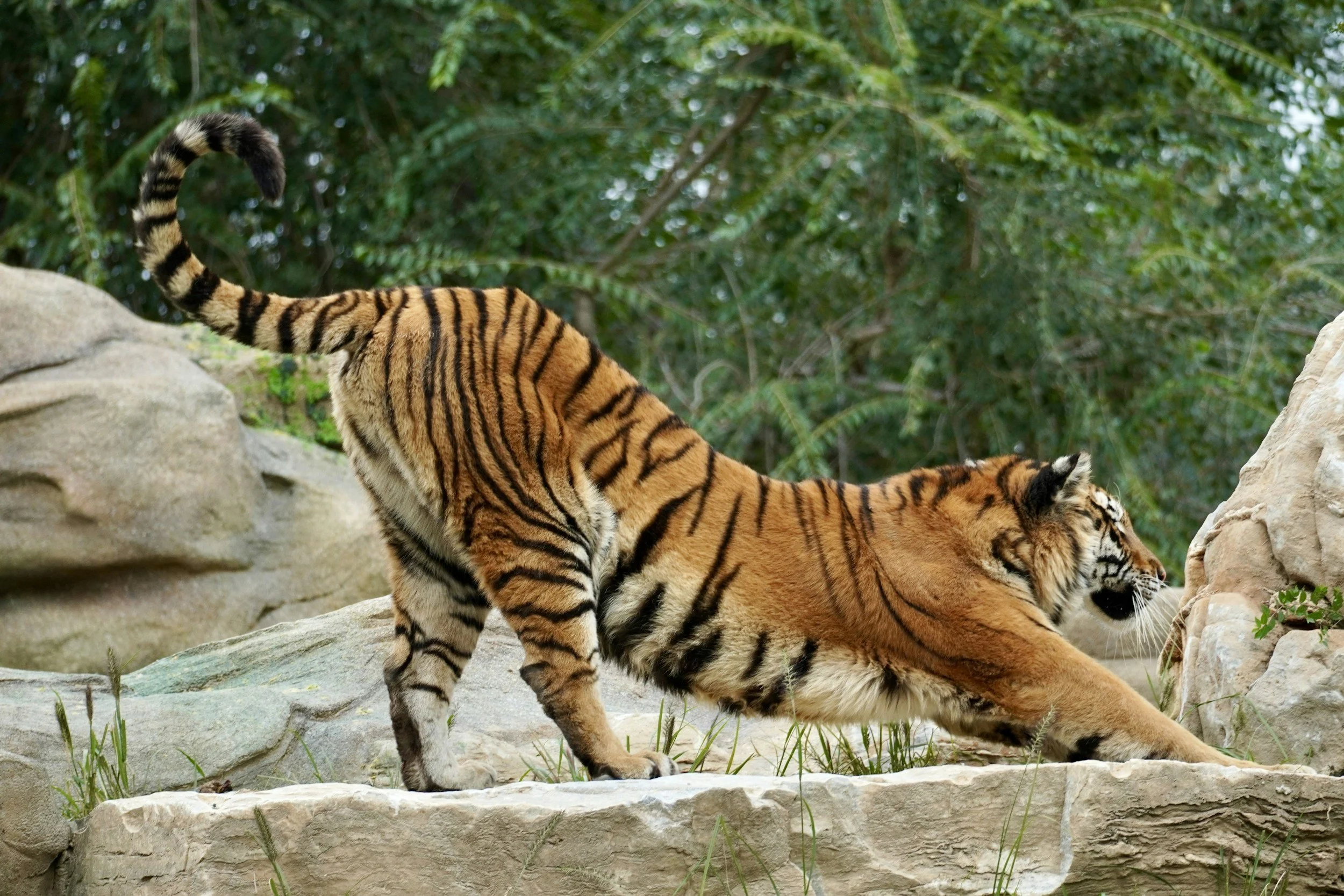
Bengal tigers, rare and elusive, but present and protected within the park
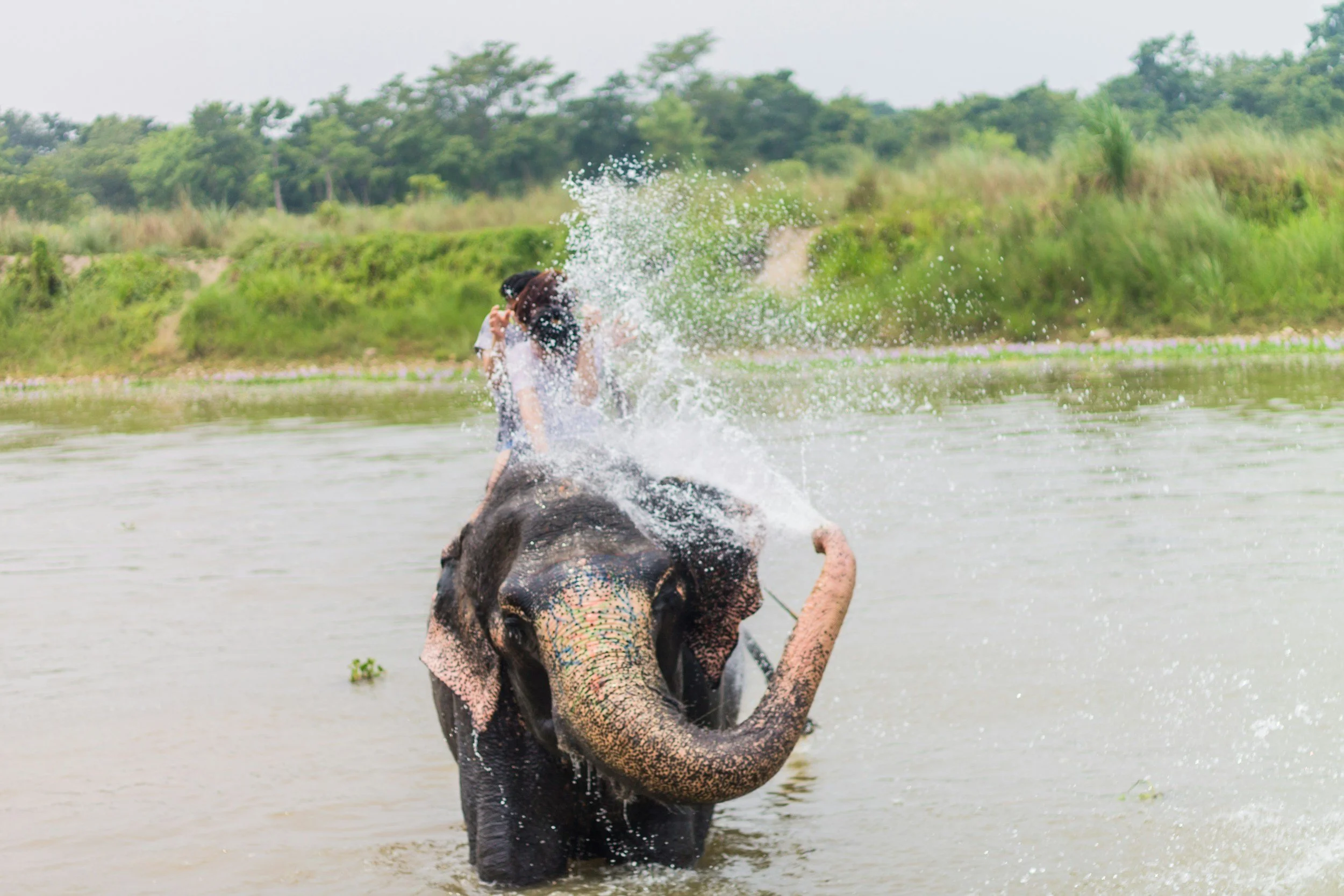
Asian elephants, both wild and domesticated
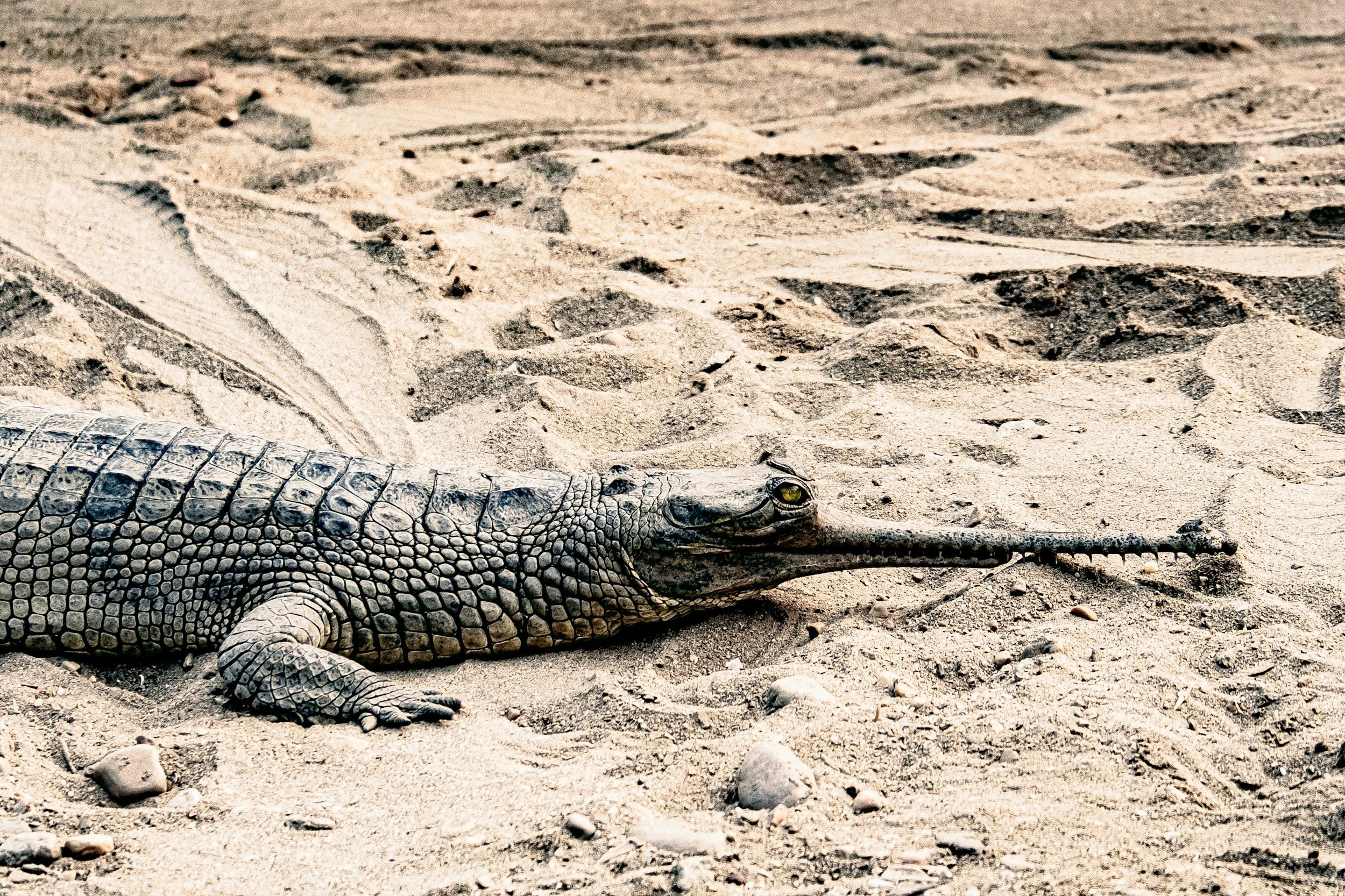
Gharial and mugger crocodiles basking along the Rapti and Narayani rivers
Over 500 bird species, making Chitwan a dream destination for birdwatchers
Early mornings and late afternoons are the best times to spot animals, when the jungle is quieter and the light is soft.
Jungle Safaris and River Experiences
There are several ways to explore Chitwan, each offering a different perspective on the park.
A guided jeep safari allows you to cover more ground and reach deeper sections of the reserve. A walking safari, led by experienced naturalists, is more intimate and surprisingly powerful. Every sound matters. Every footprint tells a story.
One of the most peaceful experiences is a canoe ride on the Rapti River, gliding past crocodiles and water birds as mist lifts off the water. It’s quiet, calm, and deeply grounding.
Beyond Wildlife: Culture and Community
Nature in Chitwan is closely tied to local life. The indigenous Tharu community has lived alongside the jungle for generations, developing a deep understanding of the land and its rhythms.
A village visit offers insight into traditional mud houses, farming practices, and cultural dances that reflect a close relationship with nature. It adds a human layer to the wild landscape and reminds you that conservation here is about people as much as animals.
When to Visit Chitwan
The best time to visit Chitwan is from October to March, when temperatures are comfortable and wildlife viewing is at its best. The hotter months can still be rewarding, especially for spotting rhinos and birds near water sources, but expect higher humidity.
Why Chitwan Belongs in a Nepal Journey
Chitwan shows a different side of Nepal. It’s quieter, warmer, and closer to the ground. After time in the mountains or busy cities, the jungle offers a gentle pause. Days slow down. Mornings start with birdsong instead of boots on stone. Nature sets the rhythm, not the clock.
Whether you’re watching a rhino emerge from the trees, drifting silently along the river, or listening to the forest settle at dusk, Chitwan leaves a lasting impression. It’s not about ticking off wildlife sightings. It’s about being present and letting the landscape do what it does best.
For many travellers, Chitwan becomes the place where everything settles. Time in the jungle creates space to slow down, notice details, and reconnect with the natural rhythm of Nepal before or after time in the high Himalayas. This contrast is what makes the journey feel complete.
Those walking the Manaslu Circuit Trek often appreciate Chitwan for its stillness. After days of remote trails and mountain villages, the warmth of the lowlands and the quiet movement of rivers offer a very different kind of recovery, one that feels restorative rather than rushed.
Chitwan also pairs naturally with the Langtang Valley Trek, adding depth to the experience of Nepal’s landscapes. The shift from subtropical jungle to alpine valleys highlights just how diverse the country is, both ecologically and culturally.
For travellers looking to experience Nepal in layers, combining Chitwan with the Mardi Himal and Annapurna Base Camp Trek creates a journey that moves gradually from wildlife-rich plains to dramatic Himalayan amphitheatres. It’s a balance of stillness and movement that feels unforced and whole.
If you’re shaping a longer Nepal journey, Chitwan fits quietly into the bigger picture. Explore itineraries that bring together wildlife, culture, and Himalayan trekking in one thoughtful route.
