
Altitude, solo trekking, and why guided treks often make more sense
Trekking in Nepal is widely considered safe, and it’s one of the reasons the Himalayas attract trekkers from all over the world each year. Still, “safe” doesn’t mean effortless. Altitude, weather, trail choice, and how you travel all play a role in shaping your experience.
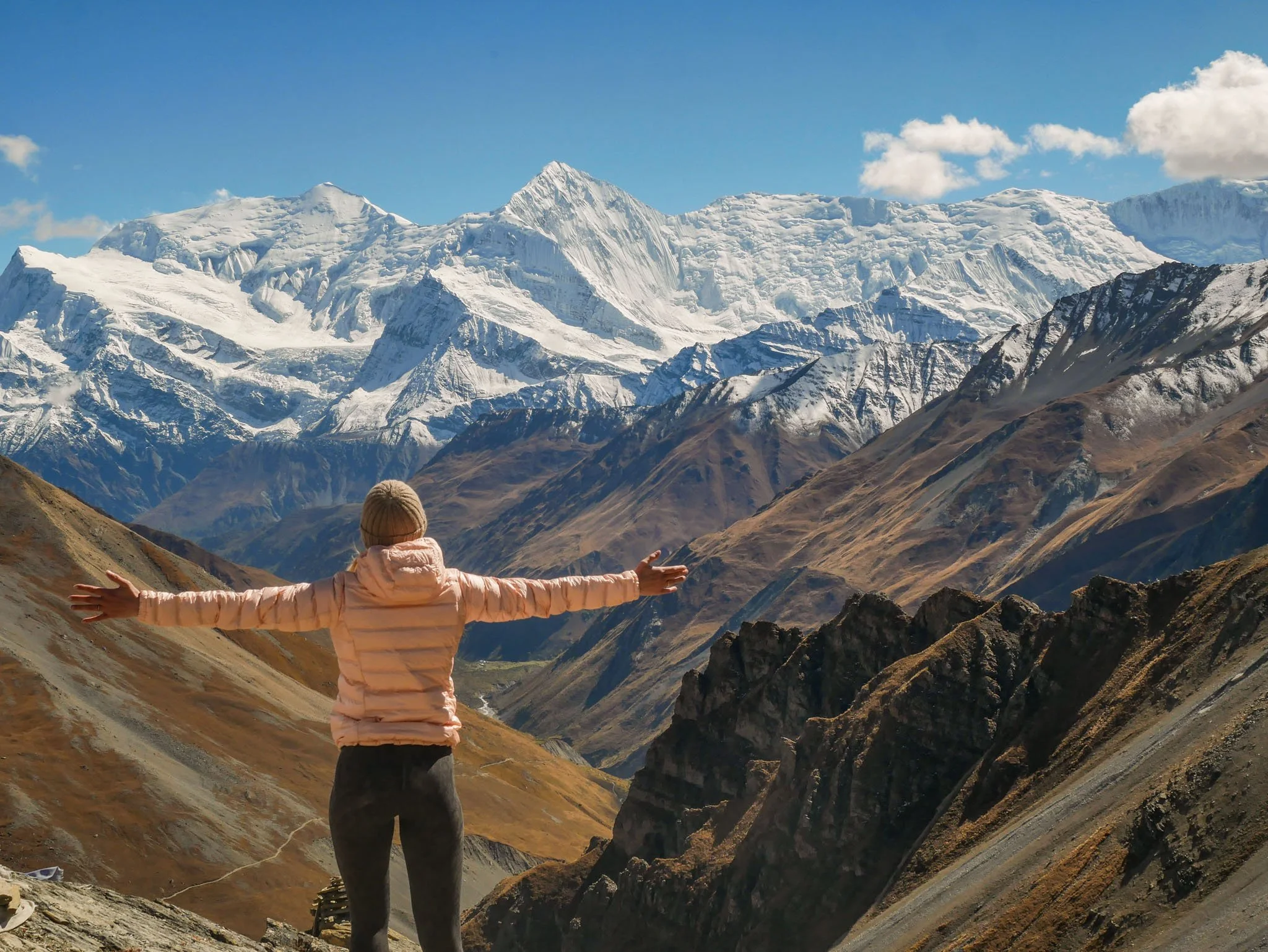
Trekker enjoying a panoramic valley view in the Annapurna Region.
This guide looks at safety from a practical angle, with a focus on altitude, solo trekking, and why guided treks are often the smarter choice, especially on less explored routes.
Altitude safety in Nepal: what you need to understand
Altitude is the single biggest factor affecting safety while trekking in Nepal. Many classic routes climb above 3,000 metres, with some passes and viewpoints reaching well over 5,000 metres.
Acute Mountain Sickness (AMS) is common and can affect anyone, regardless of fitness or experience. The good news is that most altitude issues are preventable.
Key altitude safety principles
Increase elevation gradually
Build in acclimatisation days
Walk at a steady, unhurried pace
Stay hydrated and fuel your body
Be willing to descend if symptoms worsen
Well-designed itineraries in regions like the Annapurna Region trekking routes naturally allow time for adaptation, which is one reason they’re popular with first-time Himalayan trekkers.
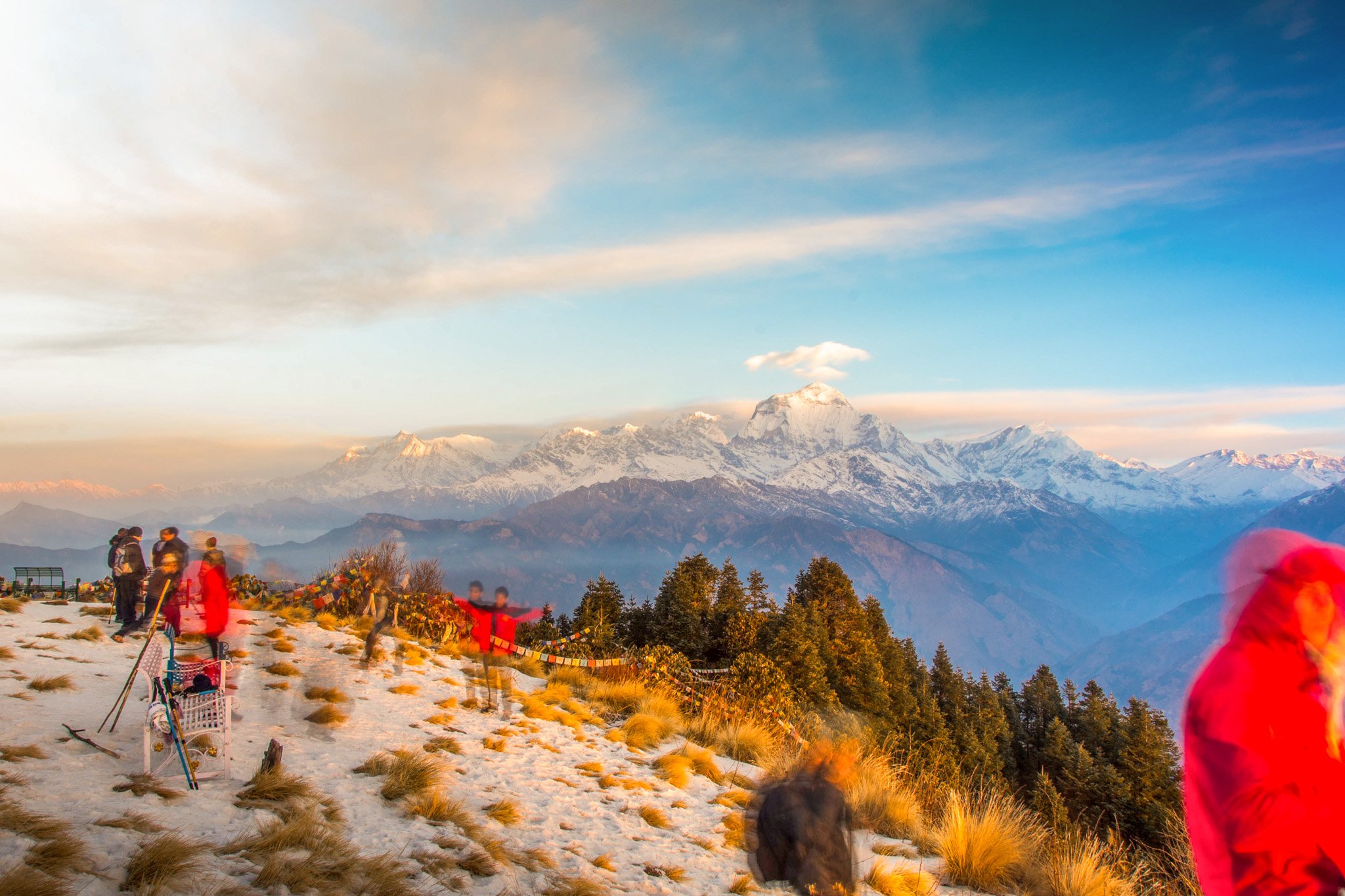
Golden hour view from Poon Hill with Dhaulagiri range glowing in warm light.
Is solo trekking in Nepal safe?
Solo trekking in Nepal is legal on many routes and still widely practiced. On busy trails with frequent villages, tea houses, and other trekkers, the environment is generally supportive and welcoming.
That said, solo trekking comes with added responsibility.
Risks solo trekkers should consider
Sudden weather changes, especially at higher elevations
Navigation errors on less obvious trails
Managing altitude sickness without support
Limited phone signal in remote valleys
Routes like the Everest Base Camp trek see enough foot traffic that solo trekkers often feel comfortable. However, even here, altitude and fatigue can catch people off guard.
Why guided trekking improves safety, especially on quieter routes
While independent trekking works on popular trails, guided trekking adds an important safety layer, particularly in remote or less developed regions.
A local guide helps by:
Monitoring altitude symptoms early
Adjusting pace and itinerary when needed
Handling navigation and logistics
Communicating with locals and tea houses
Making conservative decisions when conditions change
This becomes especially important in regions such as the Langtang Valley trek, where weather can shift quickly, and services are more spread out, or the Manaslu Circuit trek, which passes through restricted and less travelled areas.
On these routes, having a guide is not just about convenience. It’s about judgement, experience, and local knowledge that’s hard to replace.
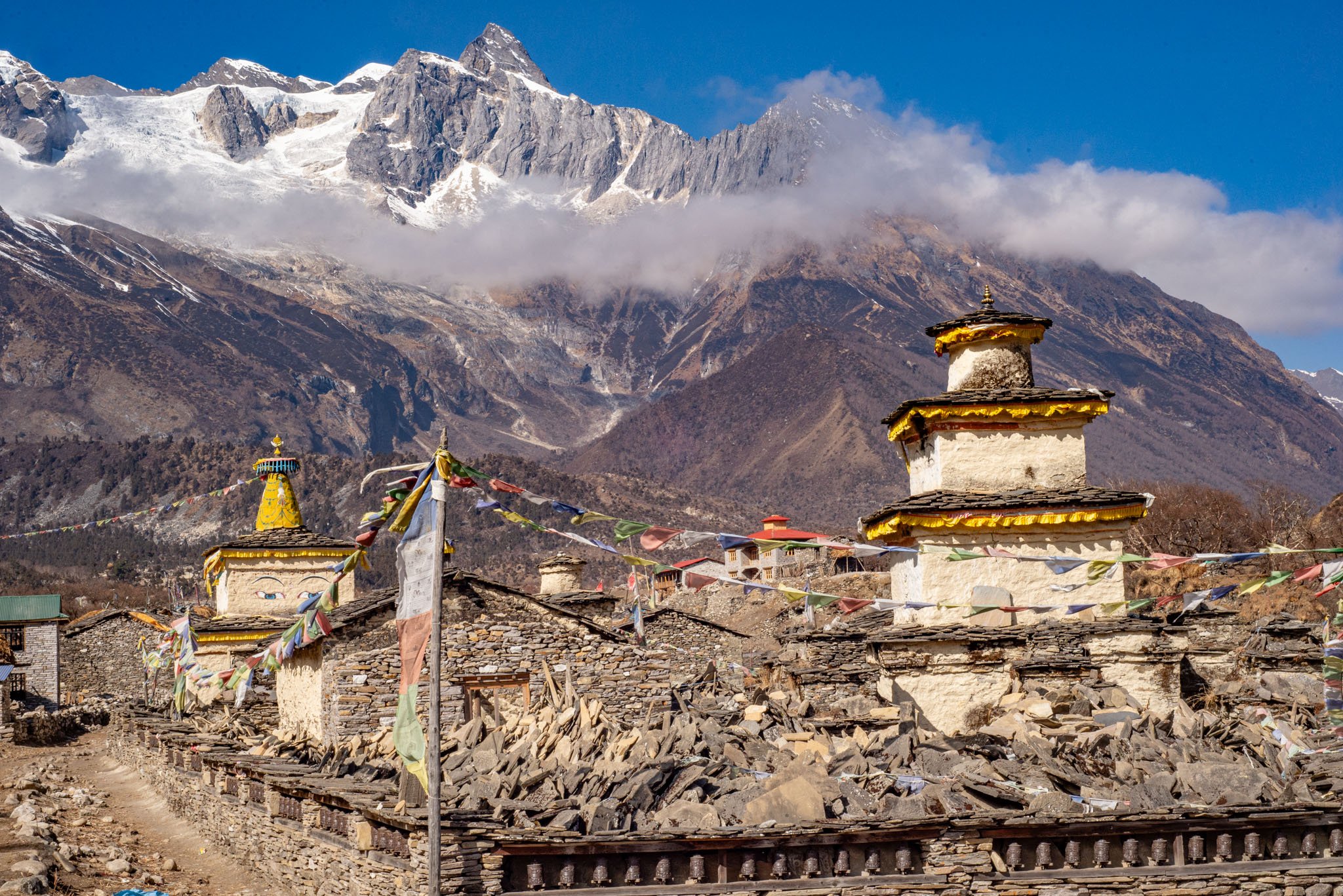
Mountain landscapes and traditional village Samdo in the Manaslu.
Trail infrastructure and local support
Nepal’s trekking safety record is strongly supported by its trail culture.
Across most trekking regions you’ll find:
Well-established footpaths
Regular villages and tea houses
Experienced local guides and porters
Access to helicopter evacuation when needed
This network is particularly strong in the Annapurna Region, which is why it’s often recommended for first-time trekkers. More remote regions rely even more on local expertise, making guided trekking the safer option.
Choosing the right season matters more than people think
Many safety concerns are seasonal rather than technical.
Spring (March–May) and autumn (September–November) offer the most stable conditions. Monsoon season brings rain and slippery trails, while winter adds snow, cold, and potential pass closures.
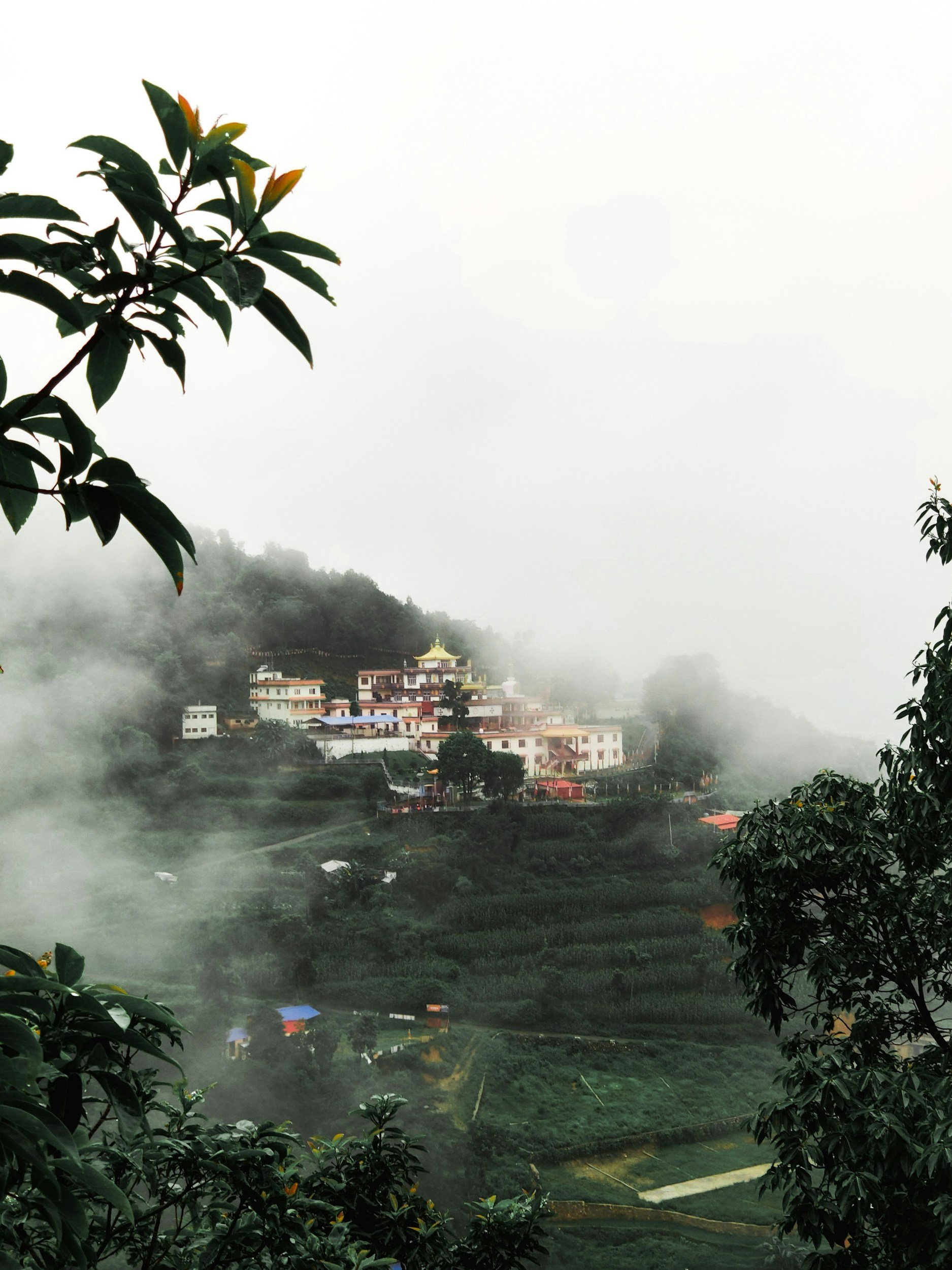
Nepal during monsoon :)
A guide can help adjust plans around weather windows, especially in shoulder seasons when conditions are less predictable.
So, before we finish the blog let’s ask ourselves these questions once last time...
1. Is it safe to trek in Nepal?
Yes, trekking in Nepal is generally safe for travellers who prepare properly. The main risks are altitude sickness, weather changes, and choosing routes that do not match your fitness or experience. With a realistic itinerary, proper acclimatisation, and local guidance, most trekkers complete their journey safely and confidently.
2. What are the biggest safety risks when trekking in Nepal?
The most common risks are altitude-related illness, sudden weather changes, trail conditions, and limited access to medical facilities in remote areas. These risks are manageable with slow ascents, flexibility in the itinerary, and experienced local support.
3. Do I need a guide to trek in Nepal?
Yes, most trekking regions in Nepal now require trekkers to travel with a licensed guide. Even where not strictly enforced, trekking with a guide improves safety, navigation, communication, and cultural understanding.
4. Is altitude sickness common in Nepal?
Altitude sickness can affect anyone, regardless of fitness. It is common above 3,000 metres but is largely preventable by ascending slowly, taking acclimatisation days, staying hydrated, and listening to your body.
5. Is it safe to trek in Nepal as a solo traveller?
Nepal is considered safe for solo travellers, but solo trekking in remote mountain regions is not recommended. Travelling with a guide or small group provides added safety, support, and peace of mind, especially in case of illness or changing weather.
6. What is the safest time of year to trek in Nepal?
The safest and most popular trekking seasons are spring (March to May) and autumn (September to November), when weather conditions are more stable and visibility is best.
Planning your trek
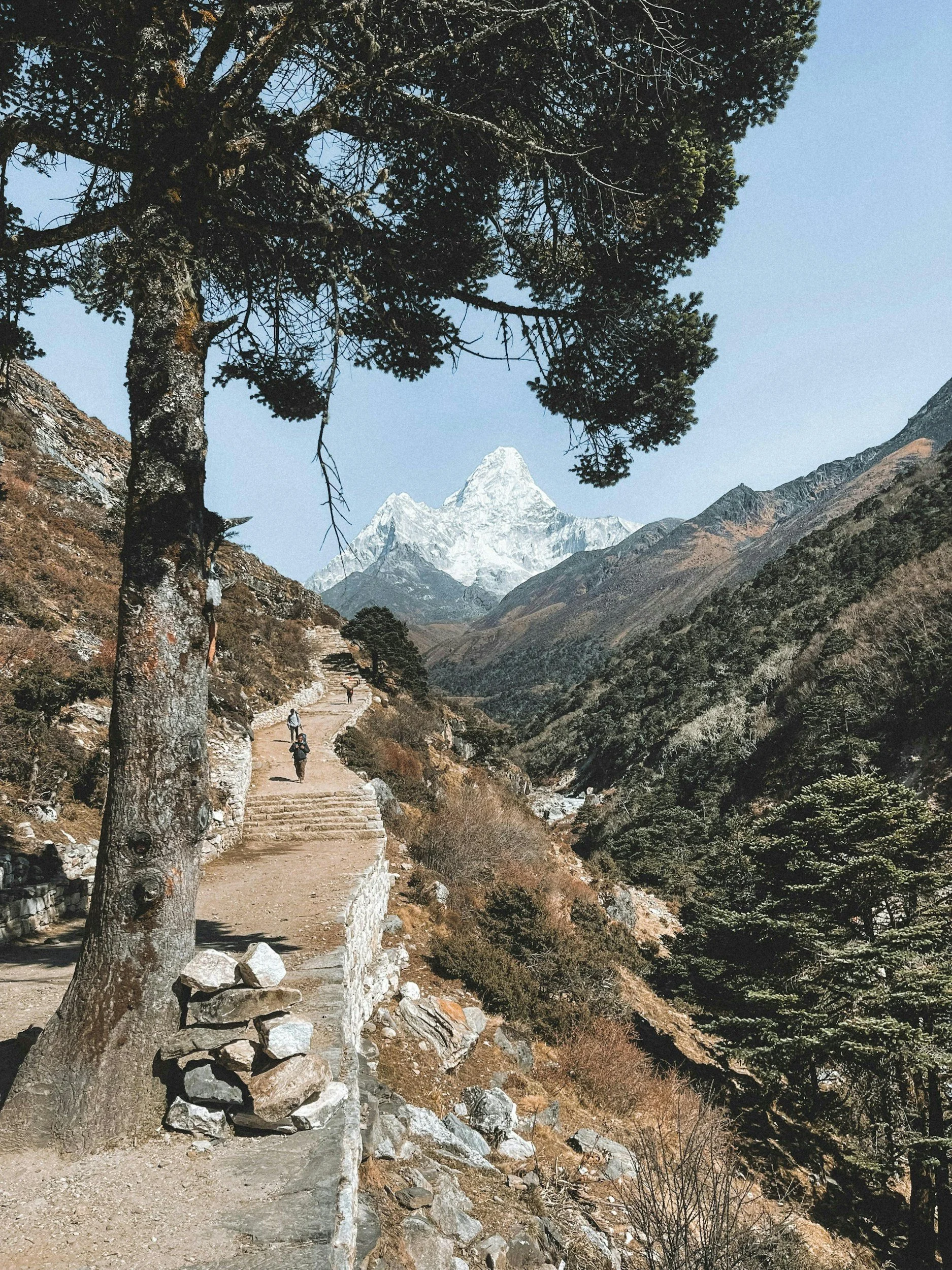
A trekker walking the trail near Pangboche with Mount Ama Dablam rising in the background.
If you’re still deciding where to go, experience level matters just as much as scenery. Nepal offers everything from shorter, village-based walks to high, remote circuits that require careful planning.
If you’re unsure which route suits you best, this guide breaks it down clearly:
Which trek in Nepal is best explains the differences between regions, difficulty levels, altitude, and the kind of experience each trek offers.
For first-time trekkers or those new to altitude, popular routes like the Annapurna Region or Everest Base Camp tend to be more forgiving due to better infrastructure and regular acclimatisation points.
If you’re drawn to quieter trails such as Langtang or Manaslu, especially side valleys and less explored sections, trekking with a local guide is strongly recommended. These areas reward you with space, culture, and raw landscapes, but they also demand better decision-making when it comes to weather, altitude, and daily pacing.
A well-matched itinerary and the right level of support can make the difference between a tough trip and a genuinely rewarding one.
