
Your Nepal Trek Planning Checklist
What to do before you go, what to pack, and how to stay safe on the trail
Trekking in Nepal is unforgettable, but good planning makes the difference between stress and smooth adventure.
Use this checklist to prepare your trip step by step.

Before You Book
1. Choose the Right Trek
Nepal has options for every level, from gentle cultural walks to high-altitude passes. Think about:
Your fitness level and trekking experience
Time available
Season and weather conditions
Cultural interests vs high mountain scenery
Example treks:
Easy/moderate: Ghorepani Poon Hill, Langtang Valley
Classic: Annapurna Base Camp, Everest Base Camp
Remote/challenging: Upper Dolpo, Kanchenjunga Base Camp
Timing & Weather
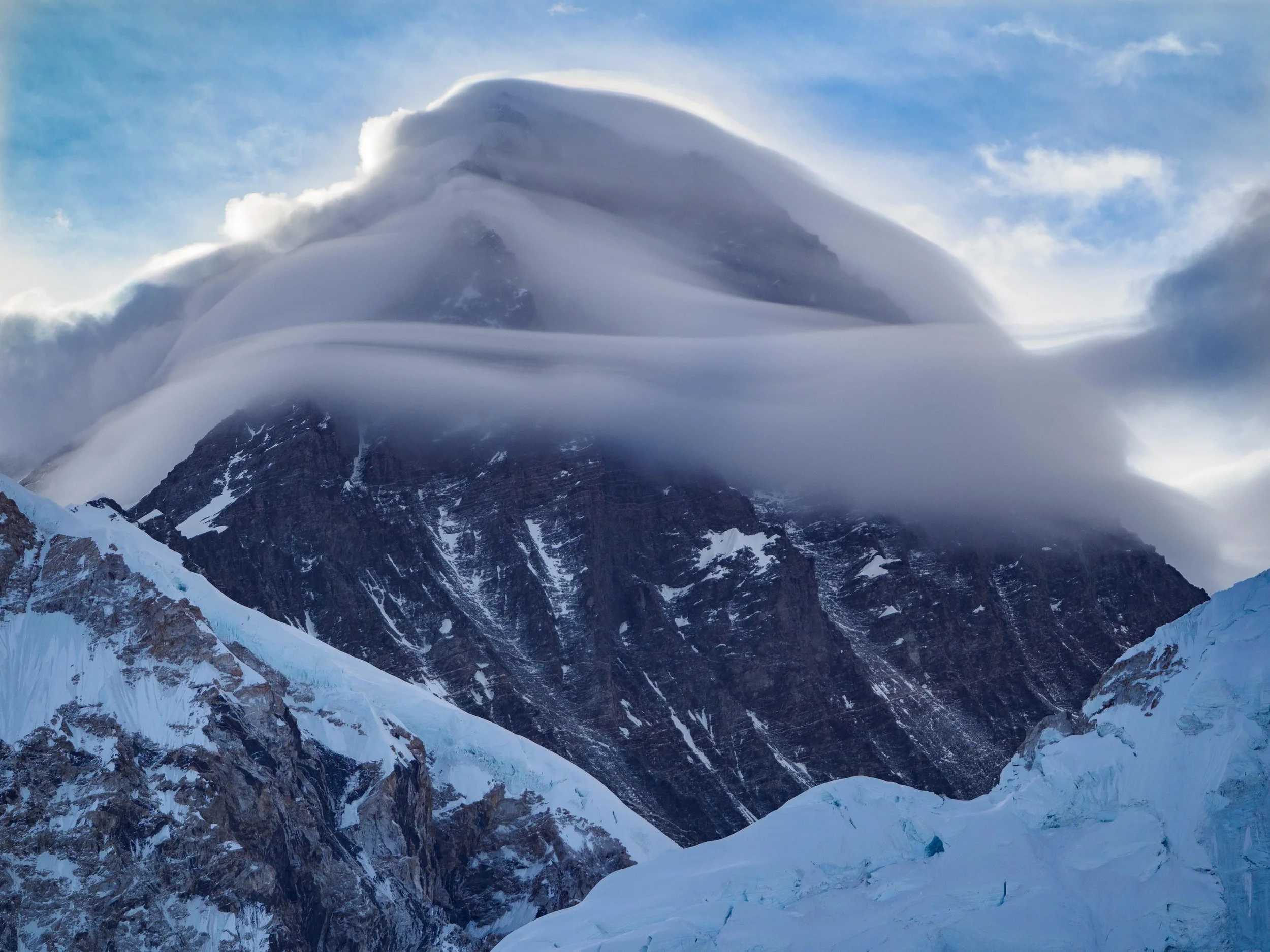
Mount Everest at dawn, the peak wrapped in a thin layer of cloud, resting over the mountain like a soft blanket
2. Pick the Best Time to Go
Spring (March–May): Warm days, rhododendron blooms
Autumn (September–November): Clear skies, peak season
Winter (Dec–Feb): Cold higher up, quieter trails
Monsoon (June–August): Fewer crowds, lush valleys, slippery trails
Your choice changes gear needs and costs. Autumn and spring are the most popular windows.
Read this blog for more understanding
Logistics and Permits
3. Flights & Transport
Book Kathmandu or Pokhara flights early
Check domestic flight weather cancellation policies
Plan your arrival buffer (arrive a day early if you can)
4. Permits & TIMS
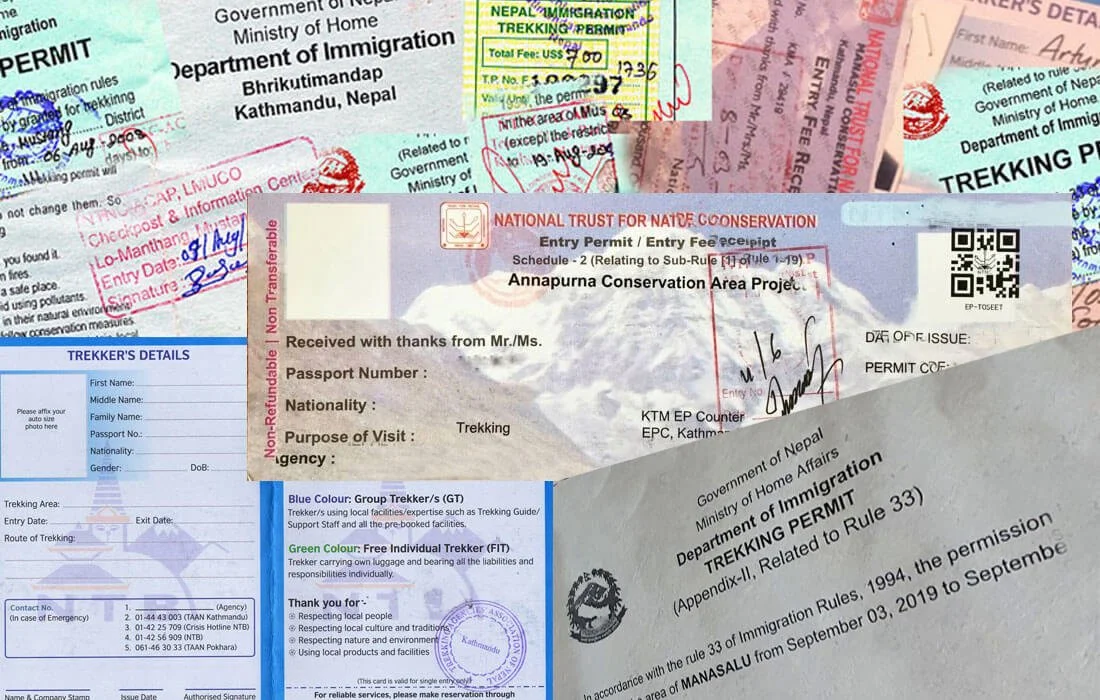
Most treks require:
TIMS Card (trekking information management system)
National Park or Conservation Area Permit
Examples:Annapurna: ACAP permit + TIMS
Everest: Sagarmatha National Park permit + TIMS
Manaslu: Restricted Area permit + Licensed guide
Your operator will arrange these.
Health & Safety
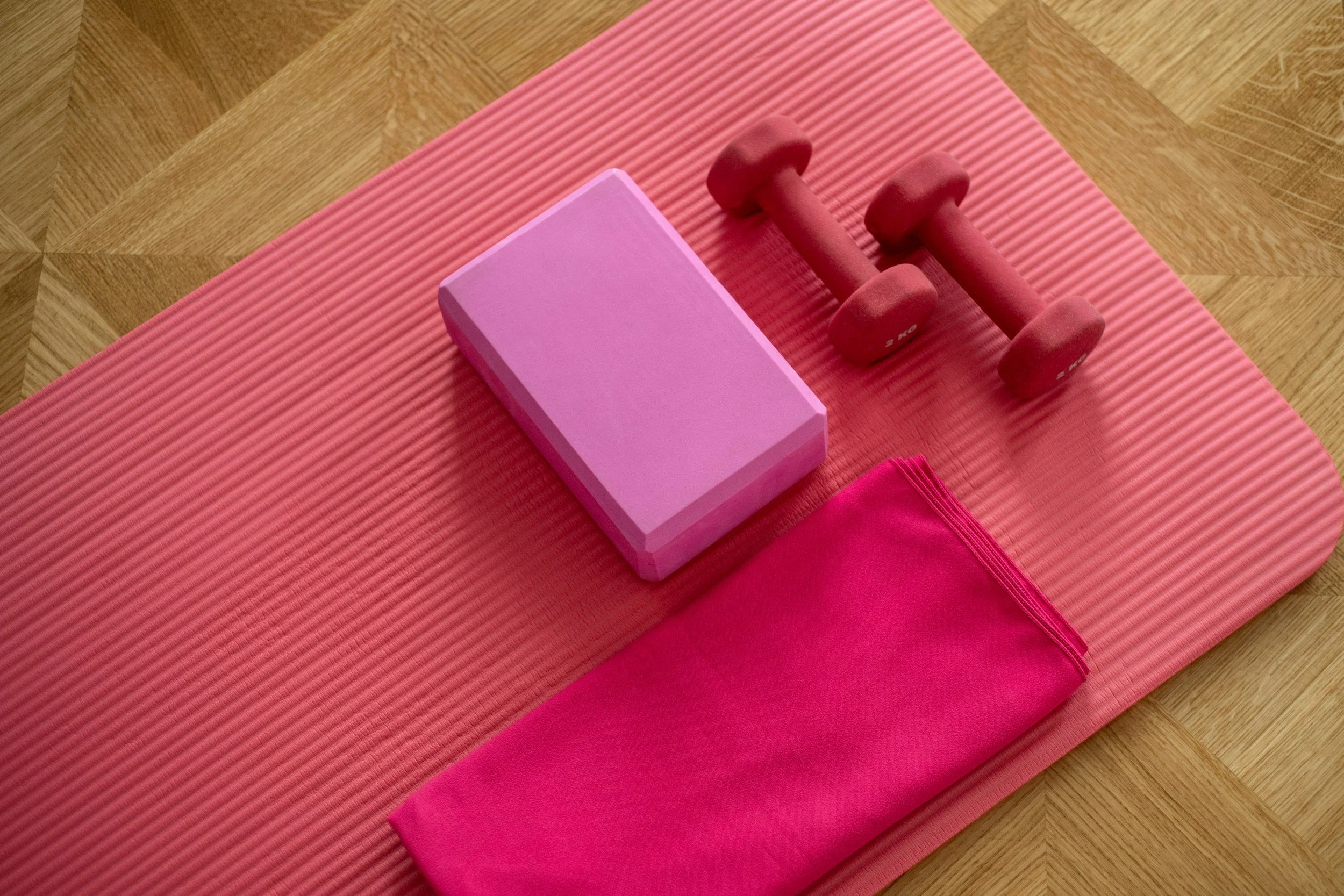
5. Fitness Prep
Start a training routine at least 8–12 weeks before departure:
Hikes with a pack
Stair climbing or hill repeats
Core and leg strength
6. Altitude Awareness
Altitude sickness is real. Plan:
Gradual altitude gain
Rest days every 600–800 m / 2,000–2,500 ft
Know symptoms of AMS (headache, nausea, dizziness)
Carry a pulse oximeter and consider talking to a doctor about acetazolamide if you’re concerned.
7. Travel Insurance
Buy insurance that covers:
High-altitude trekking (up to your planned maximum)
Helicopter evacuation
Medical and repatriation
Check exclusions carefully.
Gear Checklist
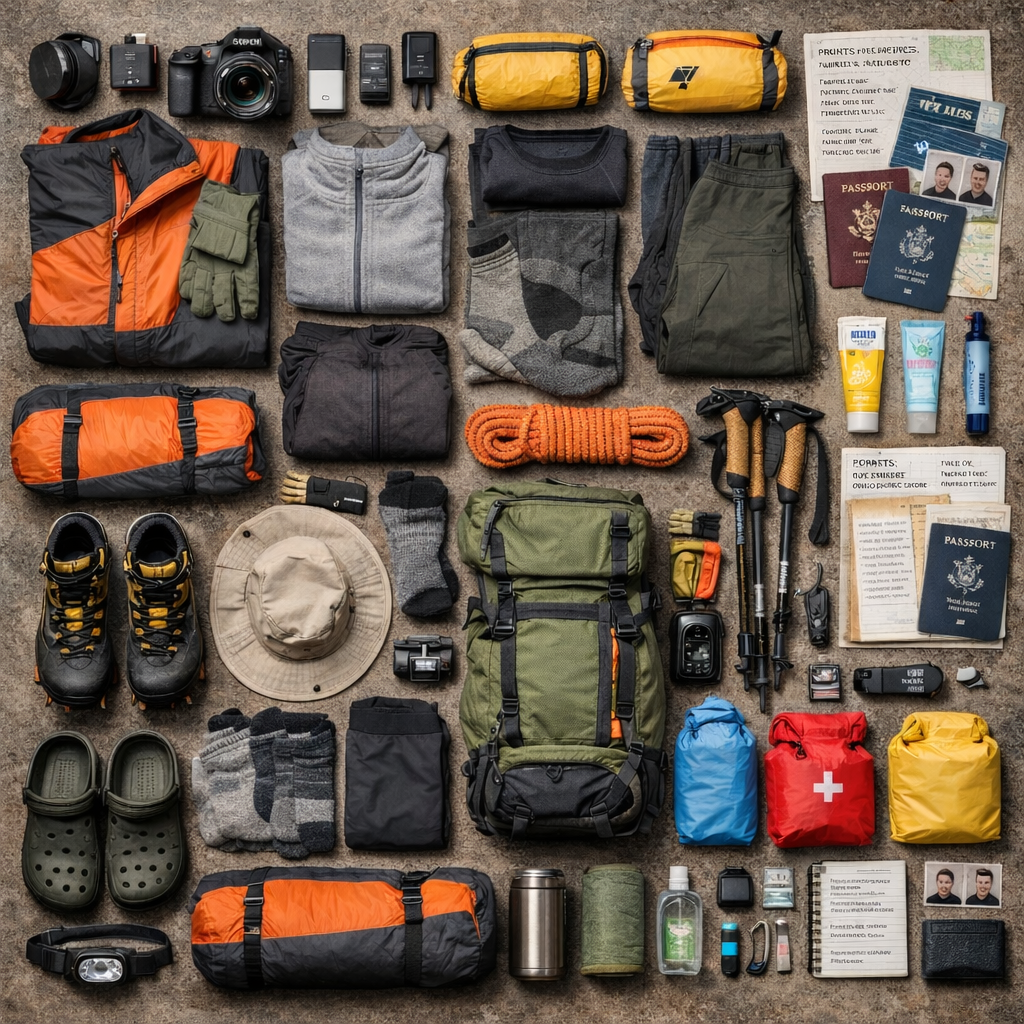
8. Clothing
Moisture-wicking base layers
Warm mid-layers (fleece/down jacket)
Waterproof shell jacket and pants
Hiking pants/shorts
Thermal underwear (for cold seasons)
Gloves, hat, sun hat, buff
9. Footwear
Trekking boots (well broken in)
Comfortable camp shoes or sandals
Trekking socks + liners
10. Backpack & Accessories
Daypack (20–30 L)
Waterproof pack cover or dry bags
Trekking poles
Sleeping bag (rated to at least -10 °C / 14 °F for high treks)
11. Tech & Navigation
Headlamp + spare batteries
Power bank
Universal adapter
Offline maps or guide-provided route
12. Health & Toiletries
Sunscreen + lip balm (high SPF)
First aid kit
Water purification (tablets or filter)
Hand sanitizer + quick-dry towel
13. Documents
Passport + copies
1 or 2 Passport sized photographs (to obtain permit)
Permits and TIMS card
Insurance details
Emergency contacts
Money & Communication
14. Budget Planning
Cash is king in trekking areas
ATMs are limited beyond major towns
USD and local currency both useful
Factor in:
Meals and tea house drinks (Some companies offer full package)
Tips for guides and porters
Miscellaneous emergencies
15. SIM Card & Data

Pick up a local SIM at Kathmandu International Airport when you are coming out of the airport or in Thamel.
NCell and Nepal Telecom both work on many trails.
Final Pre-Departure
16. Confirm with Your Operator
Check:
Pickup times and locations
Trek start/end points
Accommodation standards
Emergency procedures
17. Leave Itinerary with Someone
Share your daily plan with a friend or family member with contact details of your guide.
18. Mental Prep
Trekking in Nepal is physically rewarding and culturally rich. Expect changes in pace, rustic comforts, and these moments you’ll remember forever.
On the Trail Tips
Drink plenty of water
Eat balanced meals (dal, rice, veggies, protein)
Walk at a comfortable, steady pace
Rest when you need to, especially above 3,000 m
Most importantly, listen to your guide, they know better than you.
Ready to plan your Nepal trek?
If you’re feeling excited but still unsure where to start, you don’t have to figure it all out alone.
At Lost in the Himalaya, we help travellers plan Nepal treks properly, from choosing the right route and season to pacing, permits, gear, and altitude safety. Our trips are small-group, locally guided, and designed for people who want a meaningful experience in the mountains, not just a tick-the-box hike.
Unsure which trek suits your fitness and time?
Want honest advice on seasons, costs, and preparation?
Prefer trekking with experienced local guides who know the terrain inside out?
👉 Get in touch with us to plan your Nepal trek
or
👉 Explore our guided trekking itineraries across Nepal
We’re always happy to answer questions, even if you’re still in the early planning stage.
