
Top 15 Questions People Ask Before Traveling to Nepal (Updated Guide)
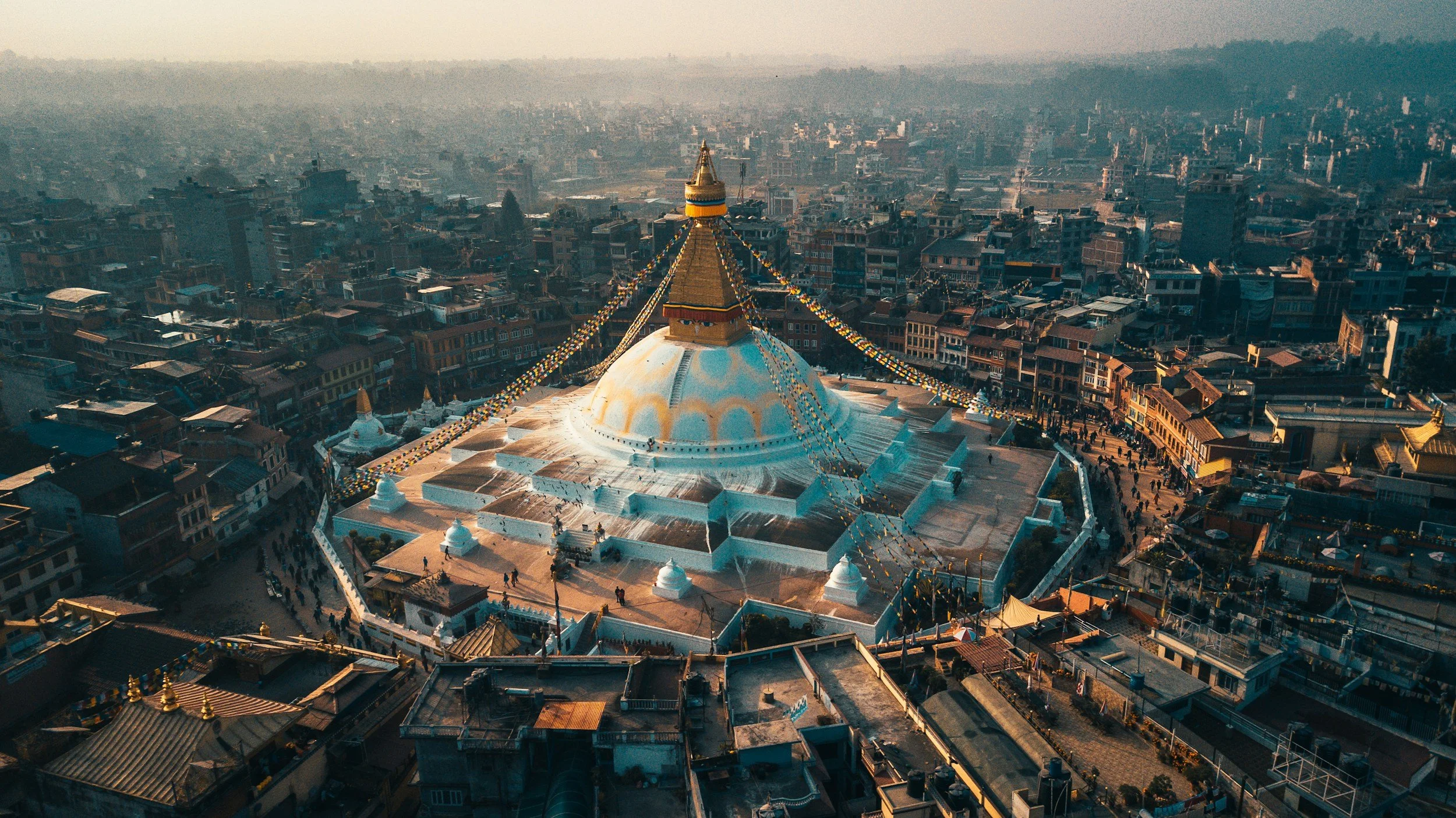
If Nepal’s been sitting in the back of your mind but you’re not quite sure where to start, you’re not alone. Travelling to Nepal for the first time can feel overwhelming. Visas, altitude, seasons, trekking routes, costs. These are the exact questions people search on Google before visiting Nepal, answered clearly so you can plan with confidence.
This guide also links you through to deeper trek pages and planning blogs, so you can build confidence step by step.
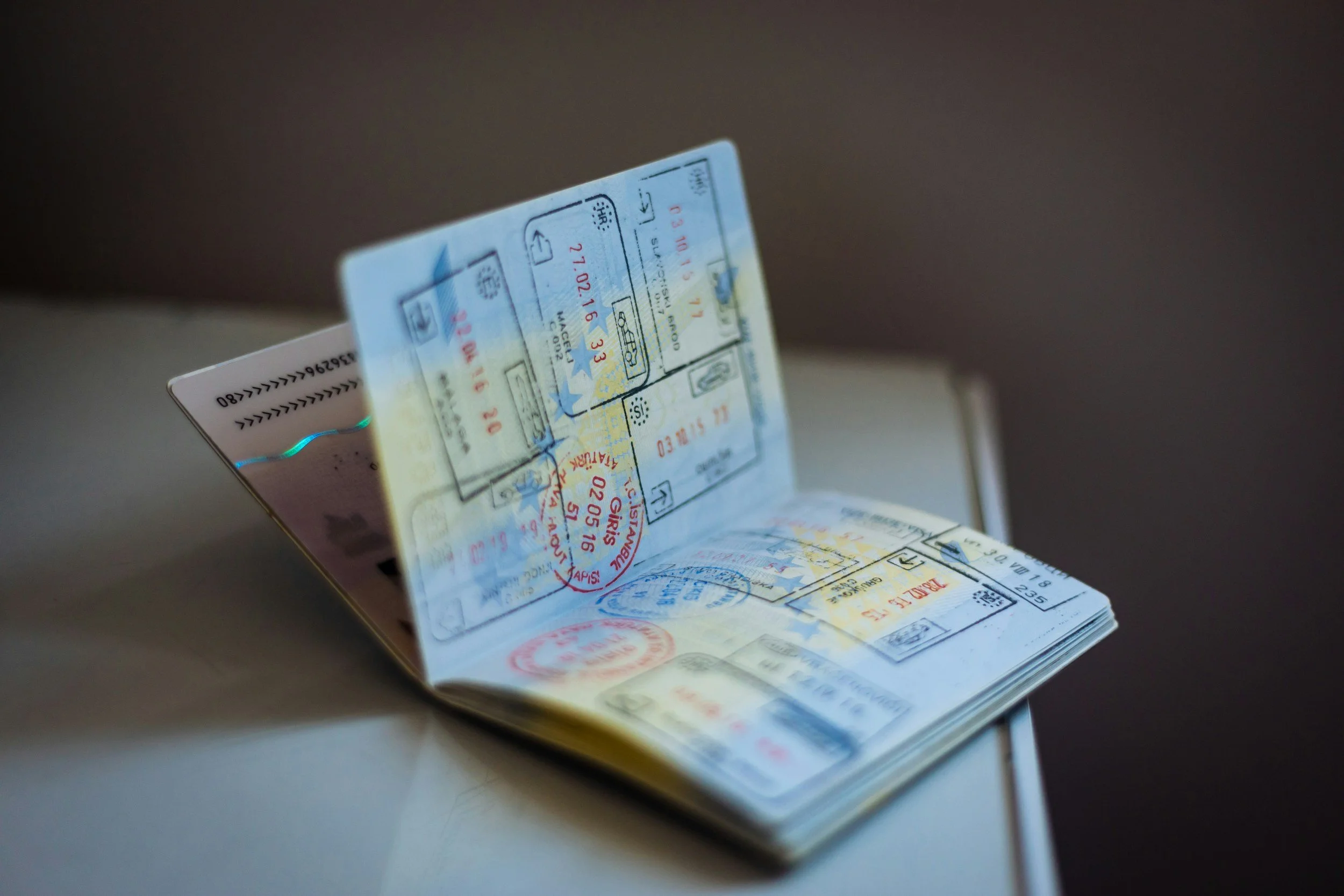
1. Do I need a visa to travel to Nepal?
Yes. Australians can get a visa on arrival at Kathmandu Airport or land borders.
Current visa fees:
15 days – USD 30
30 days – USD 50
90 days – USD 125
The process is straightforward, and most travellers are through in under an hour. If you’re planning a trek, this is usually sorted before anything else.
2. Is Nepal safe for travellers?
Short answer: yes.
Nepal is considered one of the safest destinations in South Asia, including for solo travellers. The biggest risks aren’t crime, but things like altitude, weather, and moving too fast on treks.
Altitude sickness is real and affects people differently, regardless of fitness. The key is slow ascent, acclimatisation days, and listening to your body.
If safety is your main concern, have a look at our detailed guide on is it safe to trek in Nepal, where we break things down by region and trail type.
3. When is the best time to visit Nepal?
This depends on what you want to do.
Autumn (Sept–Nov): Best mountain views, busiest season
Spring (Mar–May): Warmer days, rhododendrons in bloom
Winter (Dec–Feb): Fewer people, colder nights, lower-altitude treks work well
Monsoon (Jun–Aug): Green landscapes, fewer crowds, but cloudy mountains
If you’re still unsure, our blog on when is the best time to trek in Nepal breaks this down in more detail by region.
4. How much does it cost to travel in Nepal?
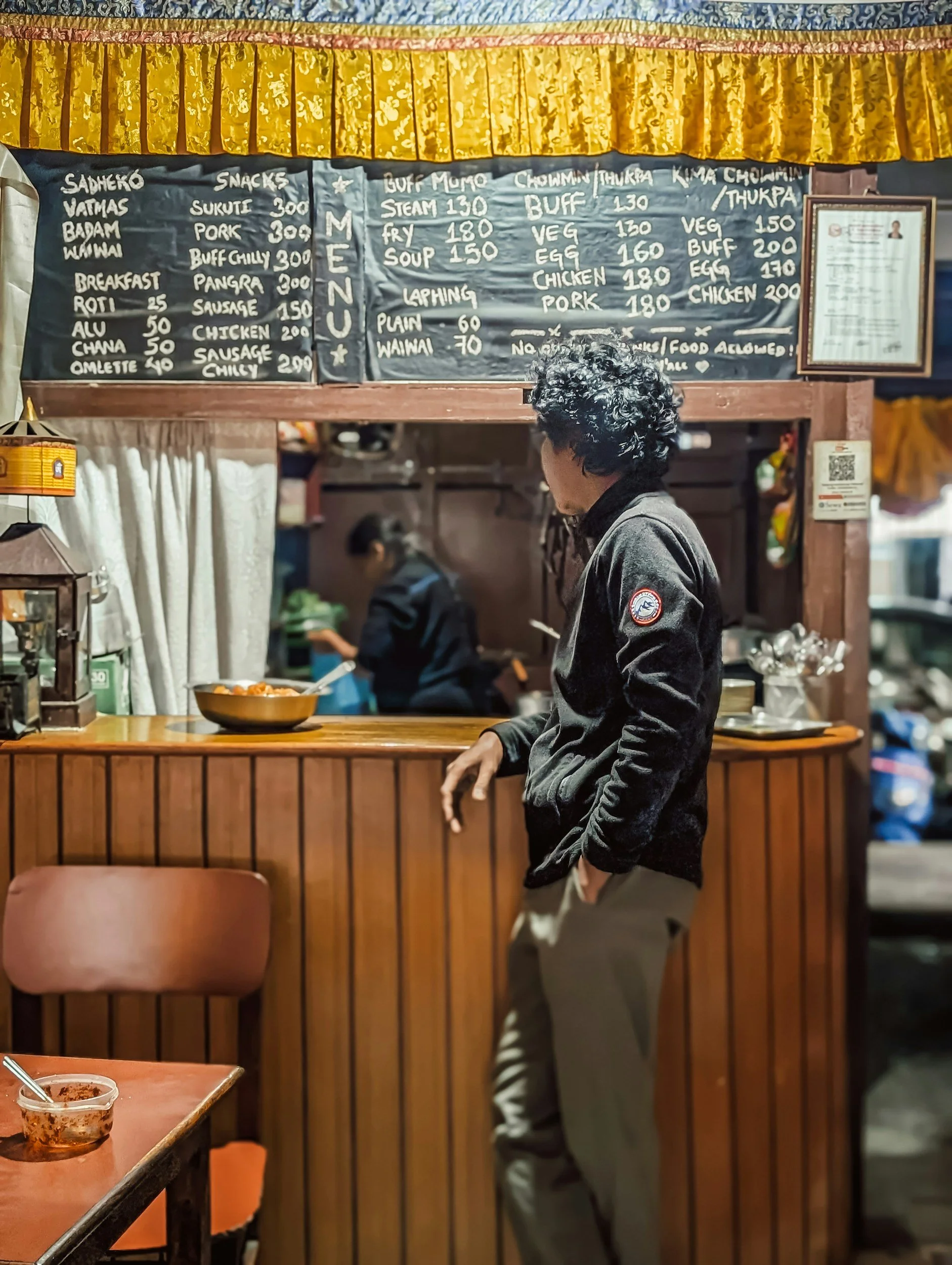
Nepal can be very budget-friendly, but trekking costs depend on permits, guides, and logistics.
Rough guide:
General travel: USD 40–100 per day
Guided treks: USD 1,200–2,000+ depending on route and comfort level
For example, classic routes like the Annapurna Base Camp trek are generally more affordable than remote routes like the Manaslu Circuit trek, which require special permits.
5. What vaccinations or health prep do I need?
No vaccinations are compulsory, but most Aussies travel with:
Hepatitis A and B
Typhoid
Tetanus
Altitude awareness is far more important than vaccinations if you’re trekking. If you’re new to hiking at elevation, you might want to start with something moderate like the Langtang Valley trek before heading higher.
6. What are the must-visit places in Nepal?
Most travellers combine culture and nature.
Highlights include:
Kathmandu Valley’s temples and UNESCO sites
Pokhara for lakes, views, and a slower pace
Himalayan regions like Everest, Annapurna, Langtang, and Manaslu
If you want a classic bucket-list experience, the Everest Base Camp trek remains one of the most iconic hikes in the world.
7. Do I really need travel insurance?
Yes, especially if trekking.
Your policy should cover:
Trekking to your highest planned altitude
Emergency evacuation
Medical treatment
Insurance is often required by trekking operators before departure, particularly on higher routes.
8. How serious is altitude sickness in Nepal?
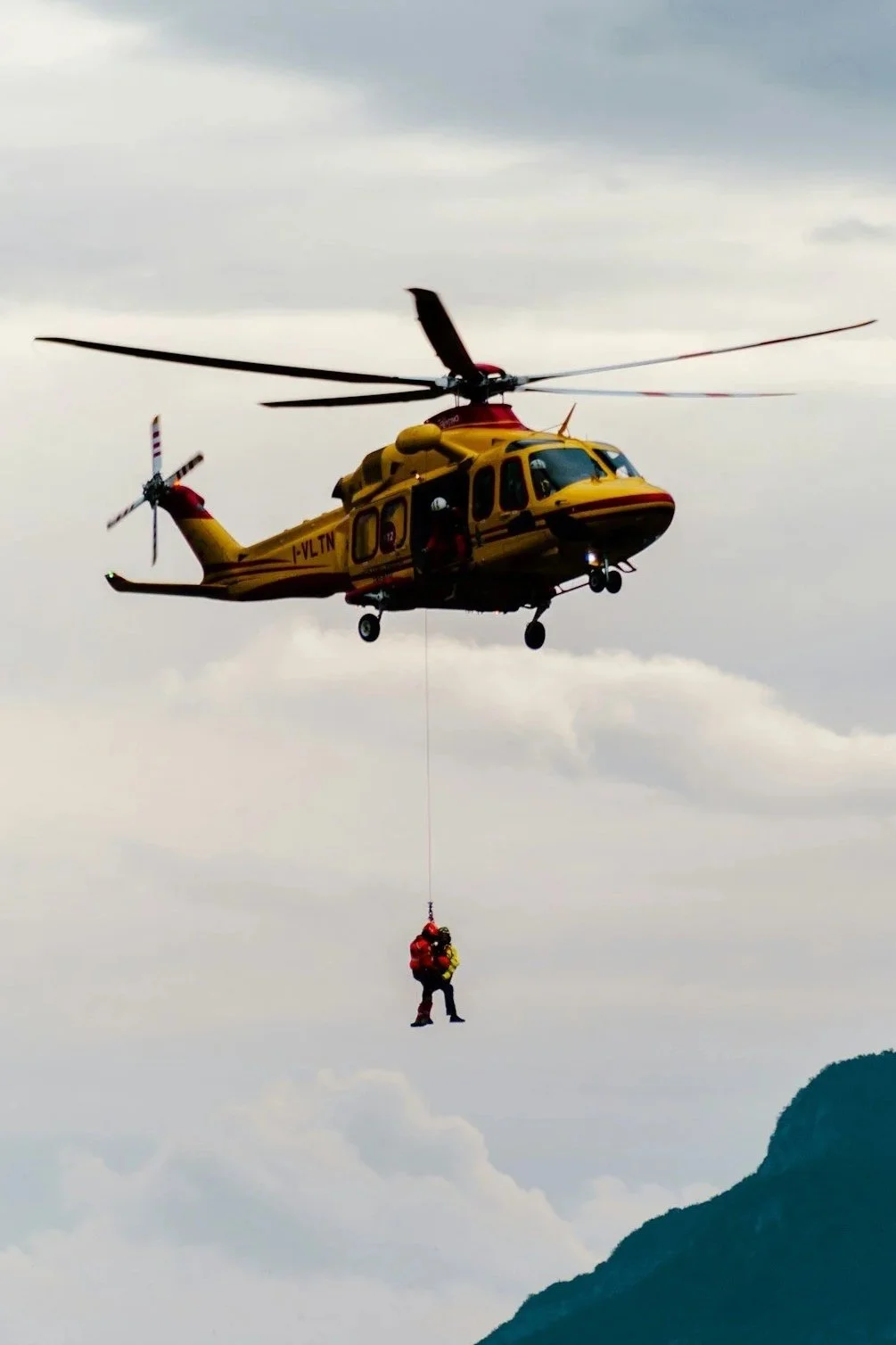
Altitude sickness is manageable, but only if you respect it.
Good itineraries include:
Gradual elevation gain
Proper acclimatisation days
Time to descend if needed
This is one reason guided treks make sense on longer routes like the Everest and Manaslu regions, where help isn’t always close by.
9. Can I use cards and ATMs in Nepal?
In cities like Kathmandu and Pokhara, yes. In the mountains, no.
ATMs are common in cities
Cash is essential on treks
Cards are accepted at larger hotels and cafes
Always carry enough cash before leaving trailheads.
10. Should I trek independently or with a guide?
You can do both, but it depends on the route.
Popular trails are easier to navigate, while remote regions are best done with a guide. Beyond safety, guides add cultural insight, help with altitude decisions, and support local communities.
11. Can beginners go trekking in Nepal?
Yes. Many Nepal treks are suitable for beginners with reasonable fitness and the right itinerary. Routes in the Annapurna Region are especially popular for first-time trekkers.
Still planning your Nepal trip?
If you’re weighing up routes, seasons, and fitness levels, our guide on which trek in Nepal is best helps match fitness level, time, and expectations with the right trail.
12. Do I need a guide to trek in Nepal?
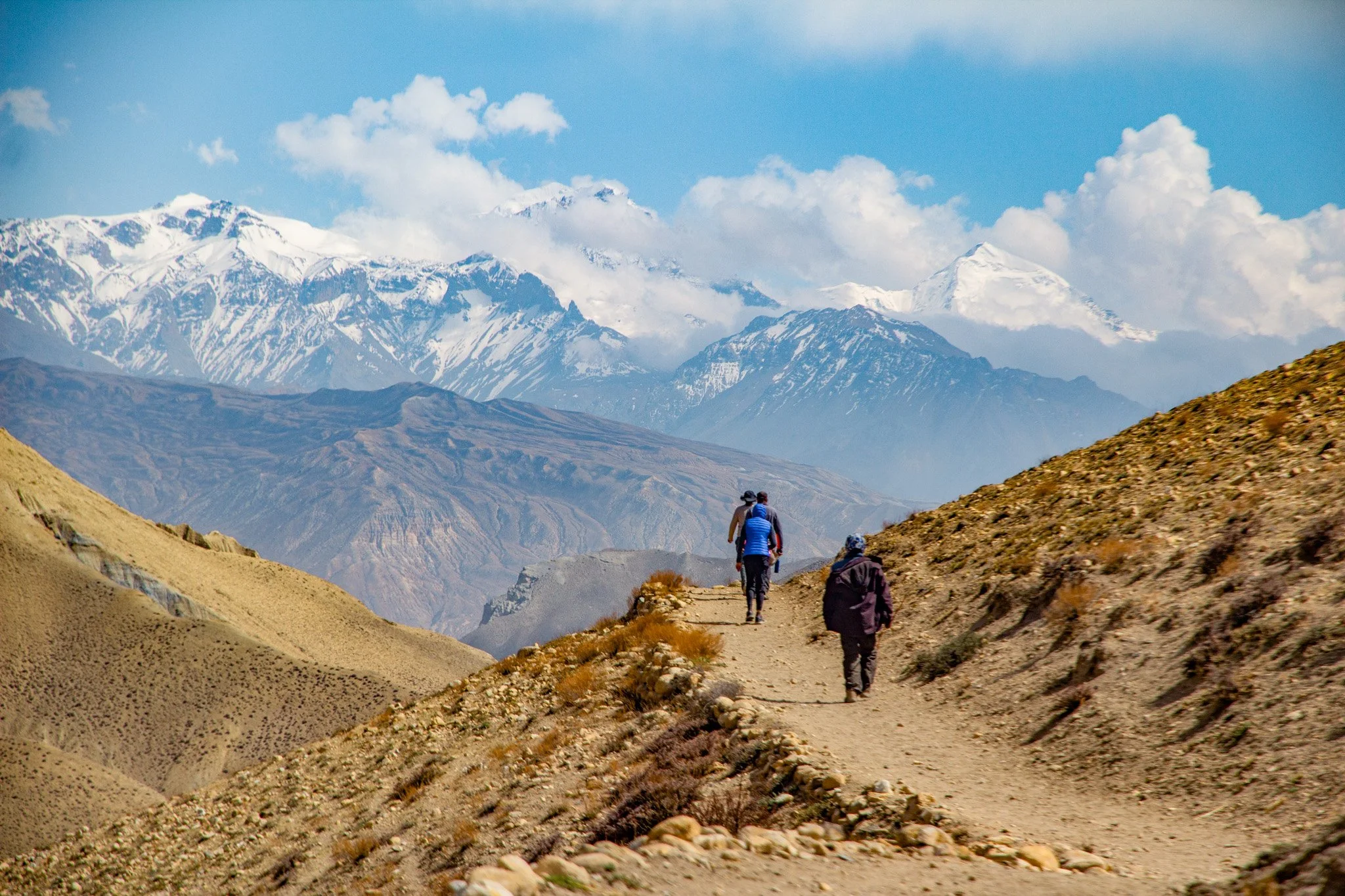
Some treks can be done independently, but a guide adds safety, cultural insight, and peace of mind. This becomes even more important in restricted or remote regions like Manaslu Region.
13. What should I pack for Nepal?
Packing depends on season and elevation, but essentials include:
Layered clothing
Good walking shoes
Sunscreen and sunglasses
A reusable water bottle
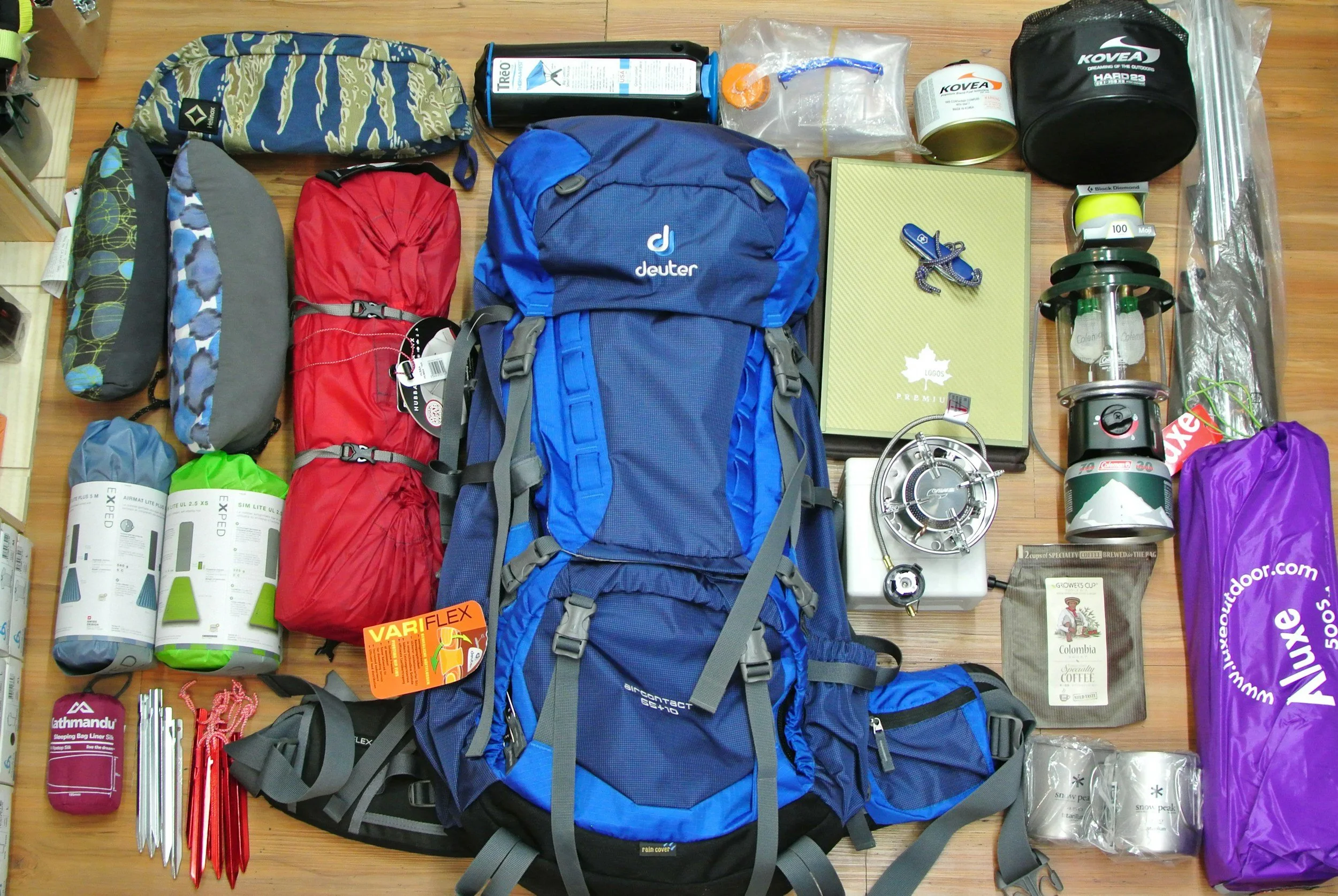
For trekkers, many items can be hired locally in Kathmandu or Pokhara. We’ve also put together a detailed blog (Packing List for Trekking in Nepal : Essential Gear & What to Leave Behind) covering the essential items you need for trekking in Nepal, including practical packing tips and gear advice for different regions and seasons.
14. What is the food like in Nepal?
Nepali food is simple, hearty, and ideal for trekking. Dal bhat is the staple, supported by momos, noodle soups, and local regional dishes.
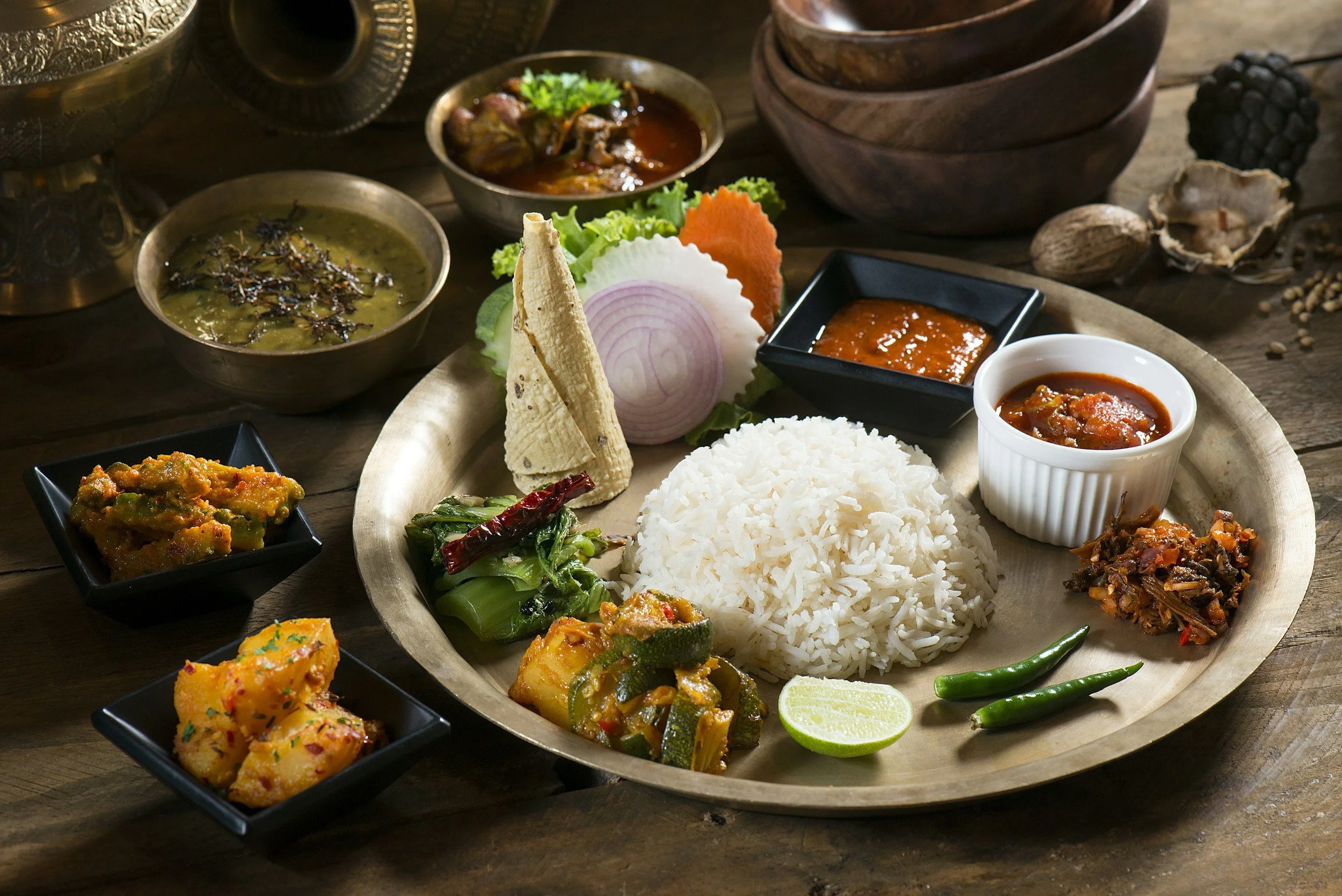
Dal Bhat is Nepal’s everyday comfort meal of rice, lentil soup, seasonal vegetables, and pickles, simple, nourishing, and eaten with pride from the Himalaya to the plains.
If you’re spending time in the Kathmandu Valley, our things to do in Kathmandu guide covers where to try traditional Newari cuisine and local favourites before heading into the mountains.
15. Is Nepal only about trekking?
Not at all. While trekking is a highlight, Nepal also offers:
Cultural heritage sites across Kathmandu Valley
Lakeside relaxation in Pokhara
Wildlife experiences in Chitwan National Park
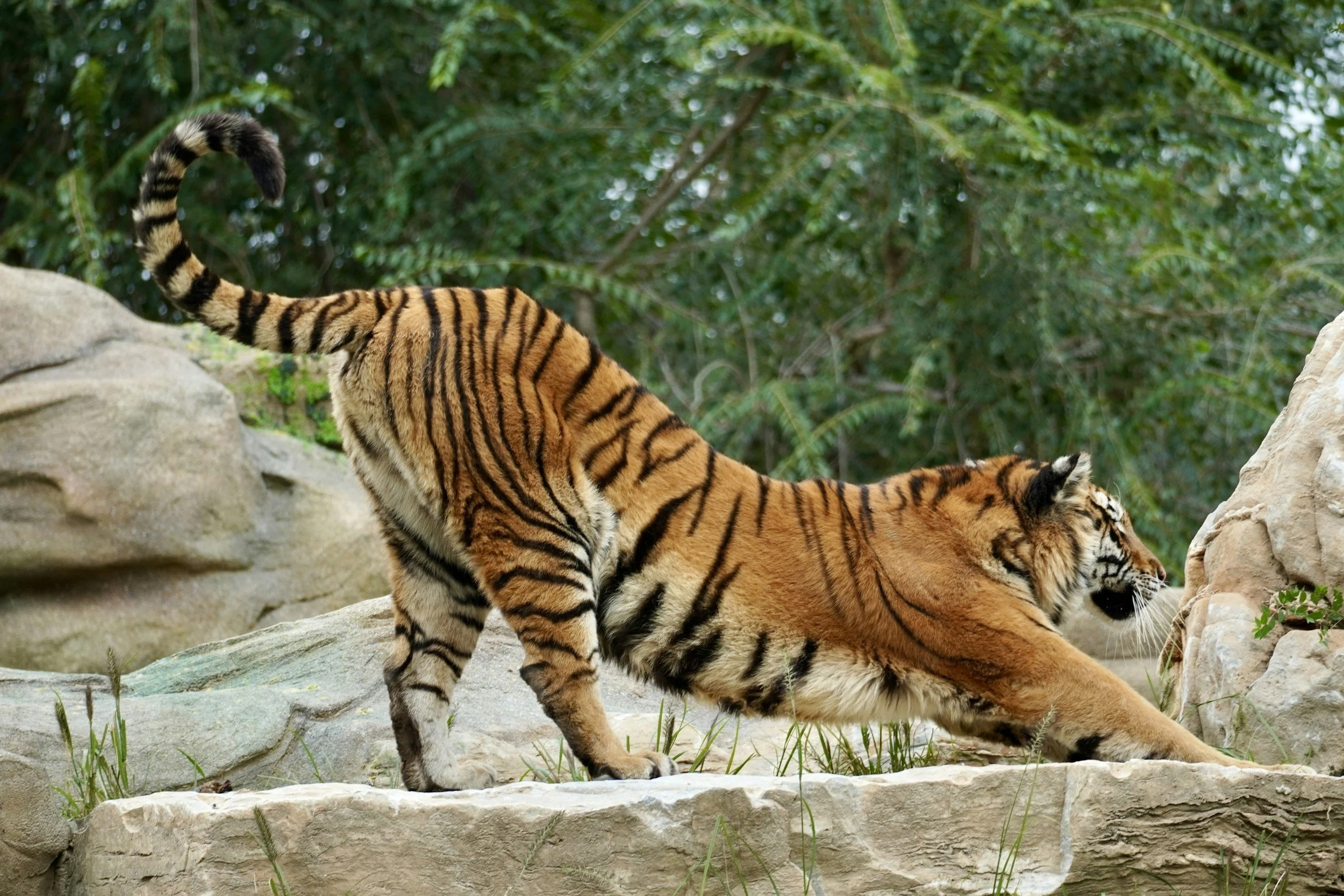
Our blog on nature and wildlife in Chitwan pairs well with trekking itineraries for travellers who want both mountains and jungle experiences.
How this guide fits into your Nepal planning
First time travelling to Nepal? Think of this page as your starting point. From here, you can dive deeper into:
Individual trek itineraries
Seasonal planning
Safety and preparation
Cultural travel experiences
We help travellers prepare properly, choose the right trek, and travel with confidence, whether it’s your first hike in the Himalayas or a long-held goal.
Popular treks to explore:
Not ready to book yet?
It covers altitude prep, packing essentials, seasons, costs, and common mistakes first-timers make.
