
Altitude Sickness in Nepal: What It Is, How to Avoid It, and What to Do If It Happens
Altitude sickness is one of the biggest concerns for travellers trekking in Nepal, and rightly so. Whether you are walking to alpine villages or heading toward high passes and base camps, understanding altitude can make the difference between a life-changing journey and a trip cut short.
The good news is that altitude sickness is largely preventable with the right knowledge, pacing, and decisions on the trail.
This guide explains what altitude sickness is, how to avoid it, how to manage symptoms, and what really happens if evacuation or rescue is needed in Nepal.
What Is Altitude Sickness?
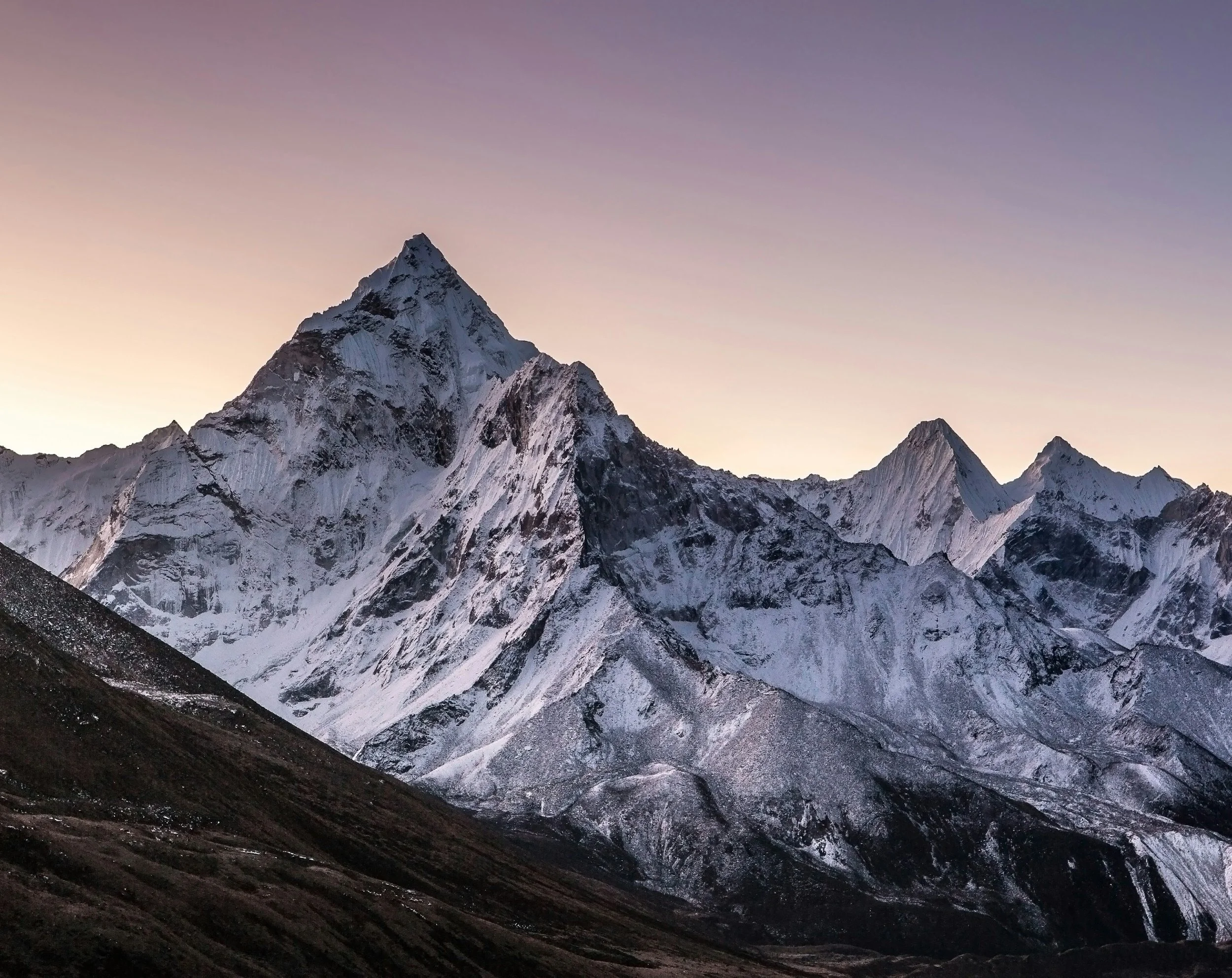
Altitude sickness, also known as Acute Mountain Sickness (AMS), happens when your body does not adapt properly to lower oxygen levels at higher elevations.
In Nepal, altitude sickness can begin as low as 2,500 metres, especially for people flying directly into mountain regions or ascending too quickly.
As you go higher, the air contains the same percentage of oxygen, but each breath delivers less of it to your body. Your body needs time to adjust. When it does not get that time, symptoms appear.
Types of Altitude Illness
1. Acute Mountain Sickness (AMS)
The most common and mild form.
Typical symptoms:
Headache
Nausea or loss of appetite
Dizziness
Fatigue
Poor sleep
AMS is uncomfortable but manageable if addressed early.
2. High Altitude Pulmonary Edema (HAPE)
A serious condition where fluid builds up in the lungs.
Warning signs:
Shortness of breath at rest
Persistent cough
Chest tightness
Extreme fatigue
Blue lips or fingernails
3. High Altitude Cerebral Edema (HACE)
The most dangerous form, involving swelling of the brain.
Red flags:
Confusion or unusual behaviour
Loss of coordination
Severe headache not relieved by medication
Hallucinations or loss of consciousness
HAPE and HACE are medical emergencies and require immediate descent.
How to Avoid Altitude Sickness
Prevention is everything. Most altitude problems happen because of rushing or ignoring early signs.
Choosing the right itinerary matters as much as fitness. Our full Nepal trekking planning checklist breaks down pacing, acclimatisation days, and preparation in detail.
1. Ascend Slowly
A safe rule above 3,000 metres:
Do not increase sleeping altitude by more than 300 to 500 metres per day
Add an acclimatisation day every 1,000 metres
This is why well-designed itineraries matter.
2. Walk High, Sleep Low
On acclimatisation days, hike to a higher point during the day and return to sleep lower. This helps your body adapt more efficiently.
3. Stay Hydrated
Drink regularly, even if you are not thirsty. Dehydration can mimic or worsen altitude symptoms.
4. Eat Well
Carbohydrates are easier to digest at altitude and help with energy. Loss of appetite is common, but skipping meals increases risk.
5. Avoid Alcohol and Sleeping Pills
Alcohol and sedatives reduce breathing efficiency and slow acclimatisation.
6. Listen to Your Body
Headaches, nausea, or unusual fatigue are signals, not weaknesses. Early response prevents serious problems.
Medication for Altitude Sickness

Diamox (Acetazolamide)
Diamox helps speed up acclimatisation. It does not mask symptoms, which makes it safer than painkillers alone.
Common use:
Preventative dose: 125 mg twice daily
Treatment dose: 250 mg twice daily
Side effects may include tingling fingers, increased urination, or altered taste of carbonated drinks.
Always consult a doctor before using Diamox.
Pain Relief
Paracetamol or ibuprofen can help headaches, but they should never be used to push through worsening symptoms.
What To Do If Symptoms Appear
Mild symptoms:
Stop ascending
Rest
Hydrate
Monitor for improvement
If symptoms improve after rest, you may continue cautiously.
If symptoms worsen or do not improve:
Descend immediately
Even 300 to 500 metres can make a huge difference
Never ignore worsening symptoms at altitude.
Rescue and Evacuation in Nepal
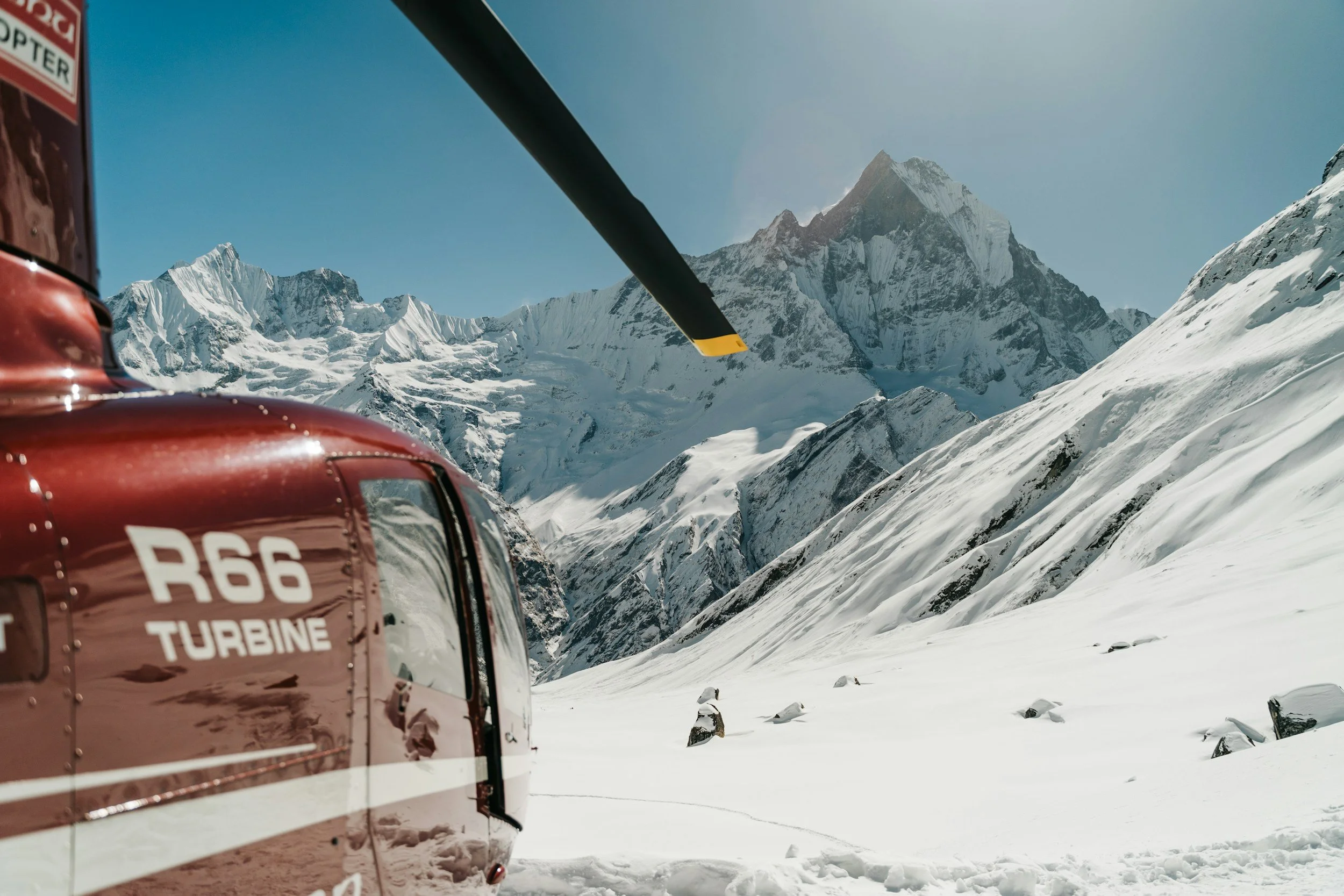
Helicopter rescue is available in most trekking regions, including areas like Everest Base Camp and the Annapurna region.
Important things to know:
Rescue is arranged through your guide or local agencies
Travel insurance covering high-altitude evacuation is essential
Weather conditions can delay flights
Descent on foot is often faster and safer than waiting for a helicopter
Organizations like the Himalayan Rescue Association run aid posts and provide expert advice in key trekking areas.
Common Myths About Altitude Sickness
“I’m fit, so I’ll be fine.”
Fitness does not protect you from altitude sickness.
“Drinking more water prevents AMS.”
Hydration helps but does not replace proper acclimatisation.
“If I take Diamox, I can go faster.”
Wrong. Medication supports acclimatisation, it does not replace it.
Final Thoughts From the Trail
Altitude sickness is not about fear, and it is not about toughness. It is about respect for the mountains and for your own body.
With the right pace, awareness, and support, trekking in Nepal is safe and deeply rewarding. Most people who struggle with altitude do so because they did not slow down soon enough.
A good itinerary, an experienced guide, and informed decisions are your strongest tools at altitude.
If you are planning a trek in Nepal and want help choosing a route and pace that suits your experience level, reach out. The mountains will always be there. Your health should come first.
If you’re still deciding which route suits your experience level, this guide on which trek in Nepal is best can help narrow it down. Altitude risk also changes with season. Weather, temperature, and trail conditions all affect how your body acclimatises. You can read more about this in our guide to the best time to trek in Nepal if you are interested.
A Note on Safety and Personal Responsibility
This guide is based on real trekking experience and widely accepted high-altitude safety practices. It is intended to help you understand altitude risks and make informed decisions on the trail.
It is not a substitute for medical advice. Always consult your doctor before using altitude medication, and follow the guidance of qualified guides while trekking in Nepal.
Altitude issues are manageable when handled early and calmly. With the right pace, awareness, and support, most trekkers complete their journey safely and confidently.
Trekking Routes Where Altitude Matters Most
Altitude sickness risk varies depending on route design, pace, and maximum sleeping altitude. Some of Nepal’s most popular treks reach heights where acclimatisation is essential.
If you are planning one of the following routes, take extra care to choose a well-paced itinerary with proper rest days:
Everest Region
Reaches over 5,300 metres with multiple acclimatisation stops. One of the highest and most demanding classic treks.Annapurna Region
Rapid altitude gain in some sections makes pacing and rest days critical.Manaslu Region
A remote high-altitude trek with limited infrastructure, making acclimatisation planning especially important.
Altitude Sickness in Nepal – FAQs
At what altitude does altitude sickness start in Nepal?
Altitude sickness can begin from around 2,500 metres, especially if you ascend quickly. Many treks in Nepal reach well above this height, which is why acclimatisation days are essential.
How common is altitude sickness while trekking in Nepal?
Mild symptoms are common, but serious altitude illness is rare when trekkers follow proper itineraries, walk at a steady pace, and listen to their bodies.
Can fit people get altitude sickness?
Yes. Altitude sickness has nothing to do with fitness, age, or gender. It affects people randomly and depends mainly on ascent rate and acclimatisation.
Does Diamox prevent altitude sickness completely?
No. Diamox helps the body acclimatise faster, but it does not make you immune. You still need to ascend slowly and monitor symptoms.
What should I do if I feel symptoms of altitude sickness?
Stop ascending immediately, rest, hydrate, and inform your guide. If symptoms do not improve, descending is the safest option.
Is helicopter rescue guaranteed in Nepal?
Helicopter evacuation is available in most trekking regions, but it depends on weather, daylight, and insurance approval. Descent on foot is often the first and fastest response.
Do I need travel insurance for trekking in Nepal?
Yes. Your insurance must cover high-altitude trekking and emergency helicopter evacuation.
